By TY Hardware Engineering Team · Published: April 7, 2026 · Updated: April 7, 2026
Built for engineers, procurement managers, and OEM project teams evaluating custom aluminum profile capability.
Standard profiles often create extra machining, more assembly steps, and weaker structural integration in OEM projects. When a part requires a complex cross-section, tighter fit, post-processing, or stable repeat supply, custom aluminum extrusion becomes the more efficient option.
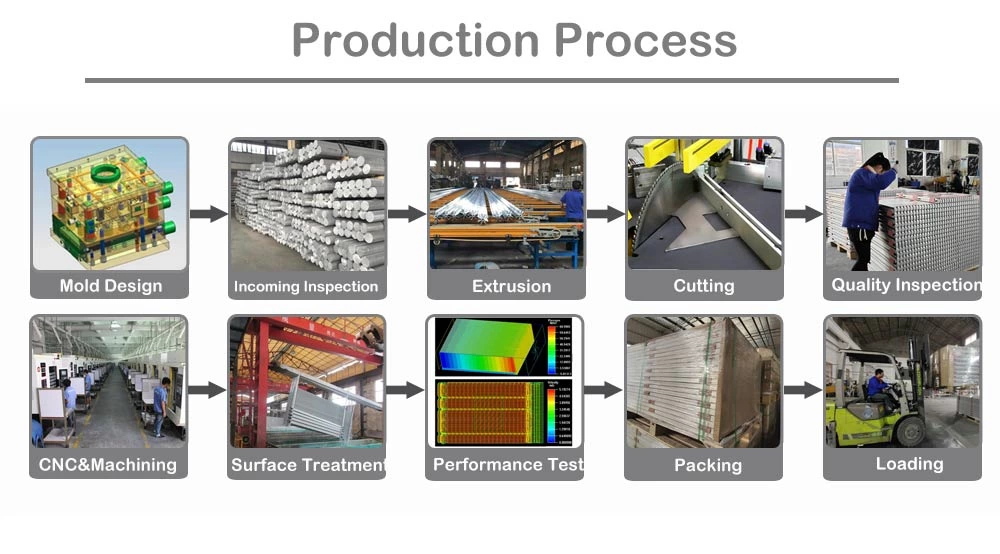
This guide explains how custom aluminum extrusion services support OEM projects, from section design and die development to extrusion, CNC machining, surface finishing, and final inspection.
What Are Custom Aluminum Extrusion Services?
Custom aluminum extrusion services refer to producing non-standard aluminum profiles around an actual application requirement rather than selecting a stock profile. The service normally starts with section review and extends through die development, extrusion, post-processing, and finishing.
For OEM teams, the value is not only the profile shape. The value comes from integrating section design, manufacturability assessment, fabrication, and stable batch quality into one process route.
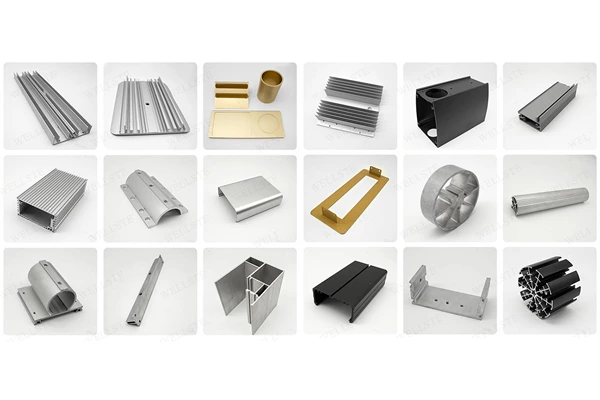
Typical OEM projects include structural aluminum profiles, enclosure sections, battery tray profiles, heat sink designs, and custom components that also require drilling, tapping, slot milling, bending, or CNC machining after extrusion. In these cases, extrusion capability alone is not enough. Buyers also need process coordination across fabrication, finishing, inspection, and shipment.
Why OEM Projects Choose Custom Extrusion
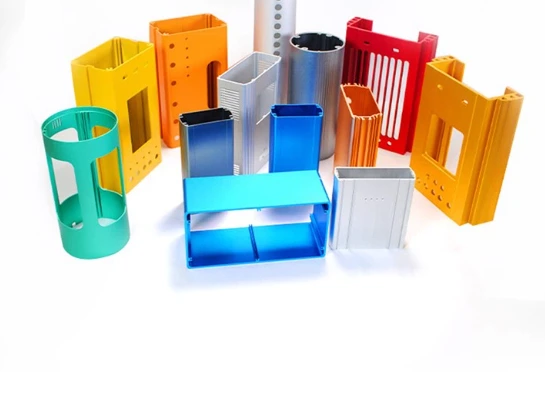
For procurement managers, custom extrusion reduces coordination across multiple suppliers. For engineers, it improves structural integration and lowers part count. For project managers, it supports more stable lead time and clearer process control from sampling to mass production.
Process Capability: From Die Design to Surface Finish
Why Full Process Coordination Matters
A strong aluminum extrusion service is not limited to shape forming. It also controls how the section performs in cutting, CNC machining, surface treatment, and final assembly. That is especially important for enclosure profiles, battery tray profiles, and automation frame parts where tolerance stack-up and finish compatibility both matter.When extrusion, machining, and finishing are handled within one workflow, buyers get fewer communication gaps and more stable batch quality.
Industry Applications
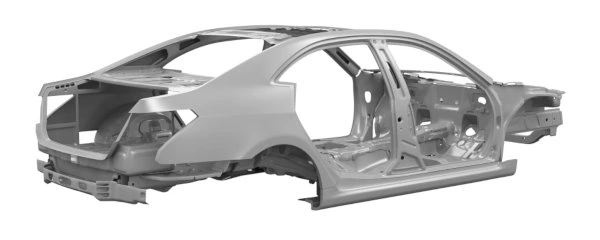
Automotive
Typical Parts: Battery tray profiles, chassis sections, structural aluminum parts.
Key Processes: Complex cross-section extrusion, CNC machining, surface finish matching.
Buyer Value: Lightweight design, better assembly efficiency, and more stable batch supply.
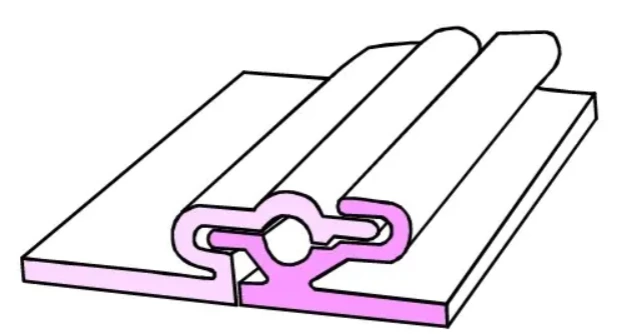
Mechanical
Typical Parts: Equipment frames, structural profiles, assembly components.
Key Processes: Extrusion + drilling + tapping + surface finish matching.
Buyer Value: Faster assembly, stronger structure, and reduced fabrication steps.
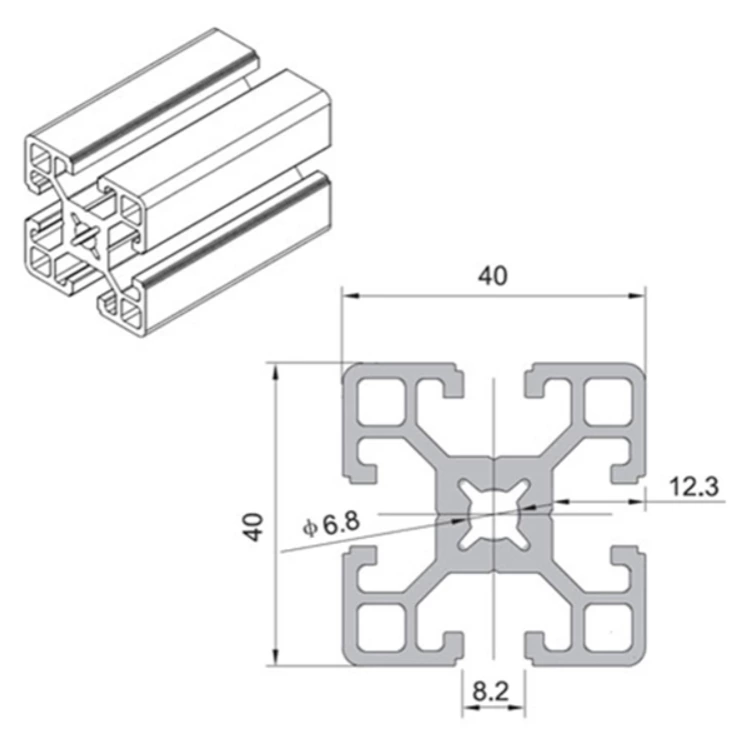
Aerospace
Typical Parts: Lightweight sections, high-precision profiles, thin-wall complex parts.
Key Processes: Section review, tolerance control, precision finishing.
Buyer Value: Better weight control, dimensional consistency, and process stability.
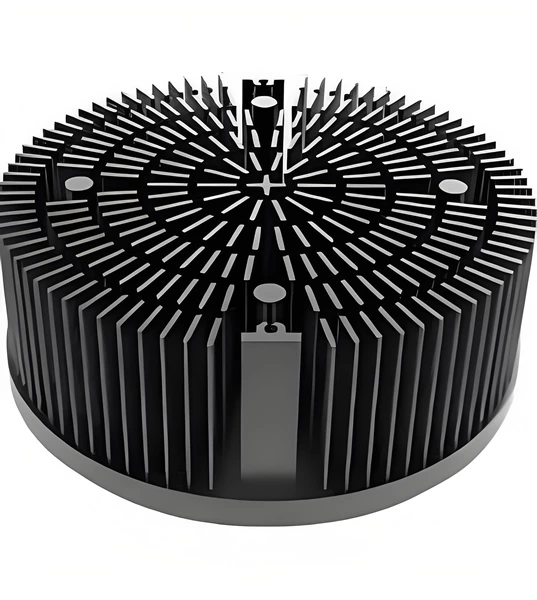
Electronics
Typical Parts: Heat sink extrusions, thermal management profiles, black anodized parts.
Key Processes: Thermal section design, anodizing, machining.
Buyer Value: Better heat management, finish consistency, and stable repeat supply.
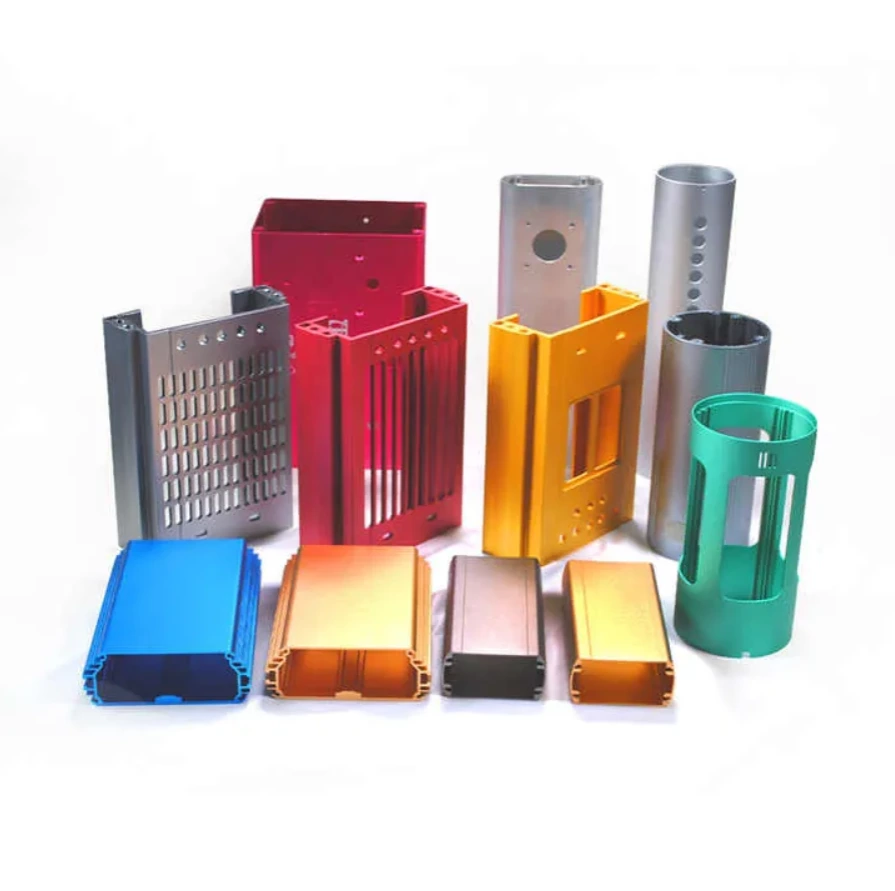
Enclosure
Typical Parts: Aluminum enclosure profiles, housing frames, cover sections.
Key Processes: CNC windows, slots, tapping, drilling, surface treatment.
Buyer Value: Better appearance control and easier downstream assembly.
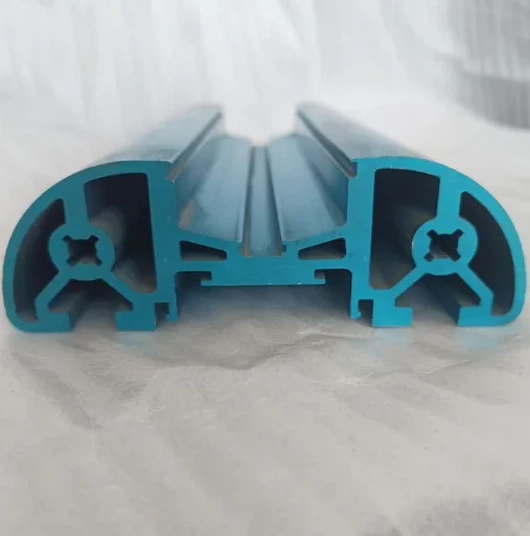
Industrial Automation
Typical Parts: Automation frame profiles, lightweight structure parts, assembly sections.
Key Processes: Extrusion + cutting + machining + batch quality control.
Buyer Value: Fast assembly, lightweight strength, and stable batch quality.
Procurement Support and Engineering Review
What Buyers Should Confirm
- Material requirement
- Surface treatment requirement
- Post-processing requirement
- Heat treatment requirement
- Tolerance target
- Target application and estimated quantity
Files for Quotation
- STEP
- IGS
- DWG
A better RFQ gives faster technical review and more accurate pricing for die cost, fabrication route, and production feasibility.
Quality Control Focus
- Incoming material inspection
- In-process inspection
- Dimensional inspection
- Final inspection before shipment
Project Confidentiality
- NDA support
- Drawings used only for quotation review
- Project information kept confidential
Proof: Cases, Capability, and Why Choose Us
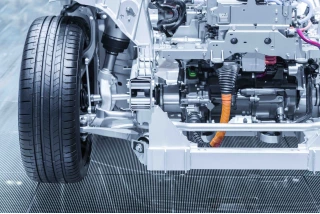
Automotive Project Case
Before: Standard profile required multiple welded parts.
After: Custom section reduced part count and improved assembly consistency.
Bridge: Section review + extrusion + CNC + finish matching.
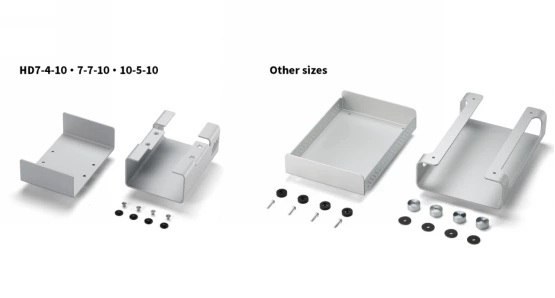
Mechanical Structure Case
Before: Separate fabricated parts increased sourcing coordination.
After: Custom profile improved structure integration and reduced machining steps.
Bridge: Extrusion + drilling + tapping + batch inspection.
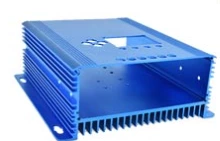
Electronic Heat Sink Case
Before: Existing design had thermal and finish consistency issues.
After: Revised profile improved heat dissipation and finish uniformity.
Bridge: Thermal section design + anodizing + stable repeat supply.
Why Choose Us
- Faster Die Evaluation
- Complex Hollow Profile Support
- CNC + Surface Finish in One Workflow
- Stable Batch Quality for OEM Orders
FAQs
What materials are commonly used in custom aluminum extrusion?
That depends on the application, finish requirement, machinability, and strength target. Material selection should be reviewed together with section geometry and downstream processing.
Can you produce complex cross-sections?
Yes. Complex cross-sections are a core reason to choose custom aluminum extrusion services, but manufacturability must be reviewed during section and die evaluation.
Can custom aluminum extrusion be used for heat sinks and enclosures?
Yes. Heat sink extrusions, thermal management profiles, and aluminum enclosure profiles are all common custom extrusion use cases.
Can you provide CNC machining after extrusion?
Yes. Many projects require cutting, drilling, tapping, slot milling, bending, and CNC machining after extrusion.
What is usually needed for quotation?
A drawing, CAD file, quantity, machining requirement, finish requirement, and target application are the most important starting points.
Can project drawings be kept confidential?
Yes. NDA support and controlled drawing use are important parts of professional OEM quotation practice.
Can you support prototype to mass production?
Yes. A qualified supplier should support the full route from technical review and die trial to stable batch production.
Can you combine extrusion with CNC machining and surface finishing?
Yes. Many OEM projects require a one-stop workflow that includes extrusion, machining, and surface treatment to reduce coordination cost.
What affects die cost most?
Section complexity, wall thickness balance, hollow structure design, tolerance requirement, and expected order volume all affect die development cost.
Can you evaluate complex hollow profiles before tooling?
Yes. Manufacturability review before die development is important for complex, thin-wall, or multi-cavity aluminum profiles.