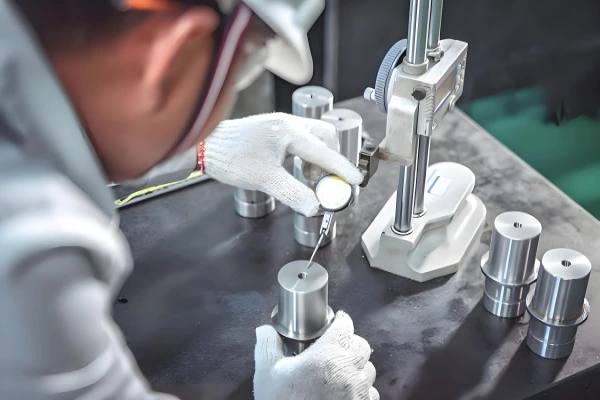
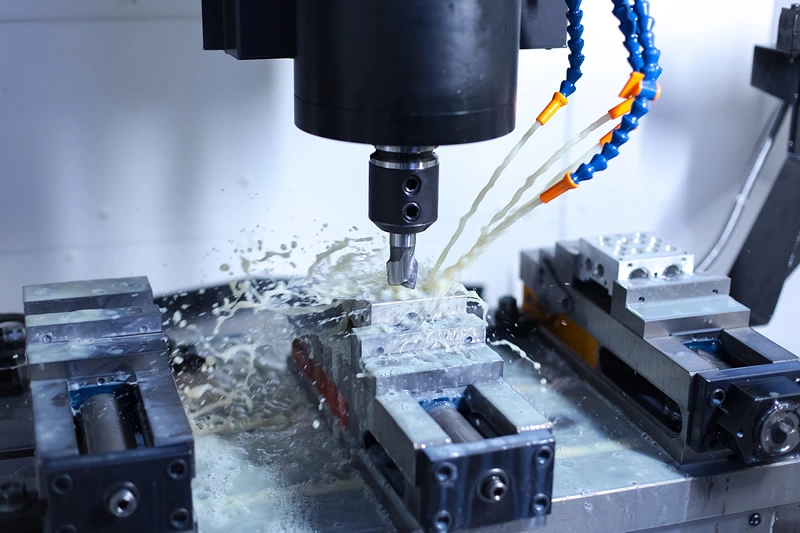
Why OEM Manufacturers Compare Die Casting Services and CNC Machining
For OEM manufacturers and hardware procurement managers, choosing between die casting services and CNC machining directly affects production cost, scalability, and supply chain efficiency. CNC machining remains the preferred solution during prototyping because it allows rapid design validation without tooling investment. However, as production volumes increase, machining costs rise proportionally due to material waste, machining time, and labor intensity. This challenge often creates what manufacturers call the “prototype-to-production gap.”
Modern precision die casting services provide a scalable alternative by producing near-net-shape metal components through high-pressure mold injection. Instead of removing material like CNC machining, die casting forms parts efficiently with minimal waste, making it particularly suitable for aluminum and zinc components used in electronics enclosures, automotive assemblies, and industrial hardware applications.
Die Casting vs CNC Machining: Cost Efficiency in Mass Production
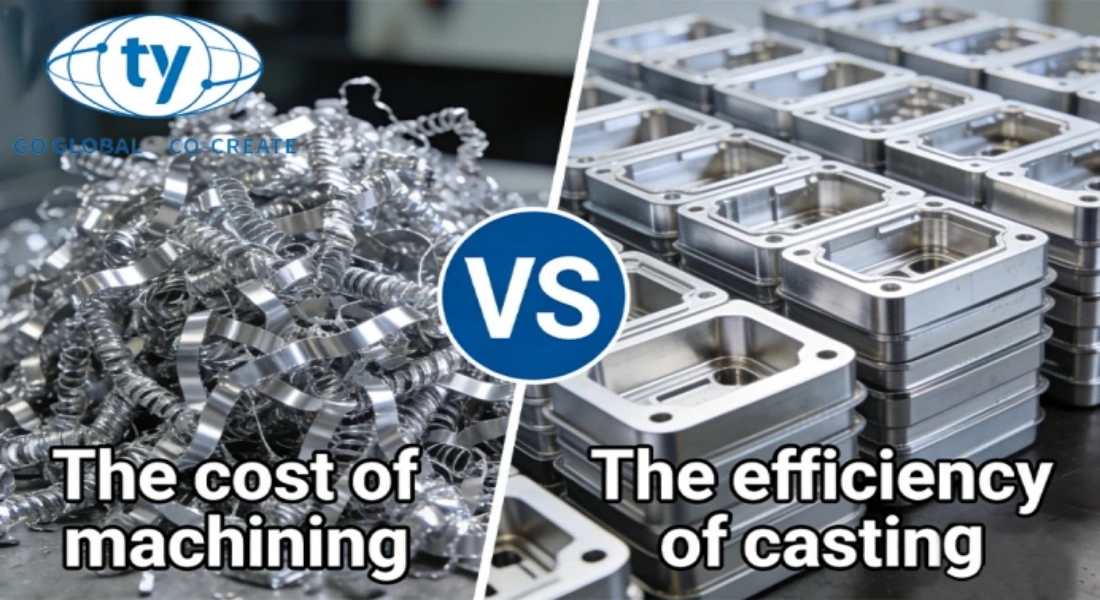
The primary difference between die casting vs CNC machining lies in cost structure. CNC machining requires little upfront investment but carries high per-unit manufacturing costs. In contrast, high pressure die casting involves tooling development but dramatically reduces unit cost once production scales.
For most OEM programs, the economic transition occurs between 500 and 1,000 units. After tooling amortization, aluminum die casting can reduce part costs by 30–70% compared with machining while maintaining production consistency. Die casting also shortens manufacturing cycles, allowing thousands of identical components to be produced with stable dimensional accuracy. For procurement teams managing global production programs, this shift improves pricing competitiveness while ensuring predictable delivery timelines.
Quality, Tolerances, and Performance of Precision Die Casting Services
A common misconception is that casting compromises precision. In reality, modern precision die casting services achieve tolerances around ±0.05 mm under controlled process conditions. Advanced mold design, vacuum-assisted filling, and temperature control allow manufacturers to produce complex geometries with excellent repeatability and surface finish.
Where tighter tolerances are required, manufacturers commonly apply secondary CNC machining to functional interfaces such as threaded holes or sealing surfaces. This hybrid manufacturing approach combines casting efficiency with machining precision, delivering strong mechanical performance without excessive cost. High-quality aluminum and zinc die casting components also provide excellent heat dissipation, structural integrity, and cosmetic consistency, making them ideal for high-volume OEM products.
Are Porosity Defects Always a Deal Breaker in Die Casting?
Porosity is frequently discussed when evaluating precision die casting services, particularly for load-bearing or sealing applications. However, modern high-pressure die casting technologies have significantly minimized porosity through optimized mold design, vacuum-assisted casting systems, and controlled metal flow simulation.
In practical OEM manufacturing, micro-porosity does not automatically compromise part performance. Many aluminum die casting components used in electronic housings, automotive brackets, and industrial enclosures operate reliably within engineered tolerance limits. Compared with CNC machining, which removes material from solid stock, die casting enables near-net-shape production while maintaining repeatable structural consistency.
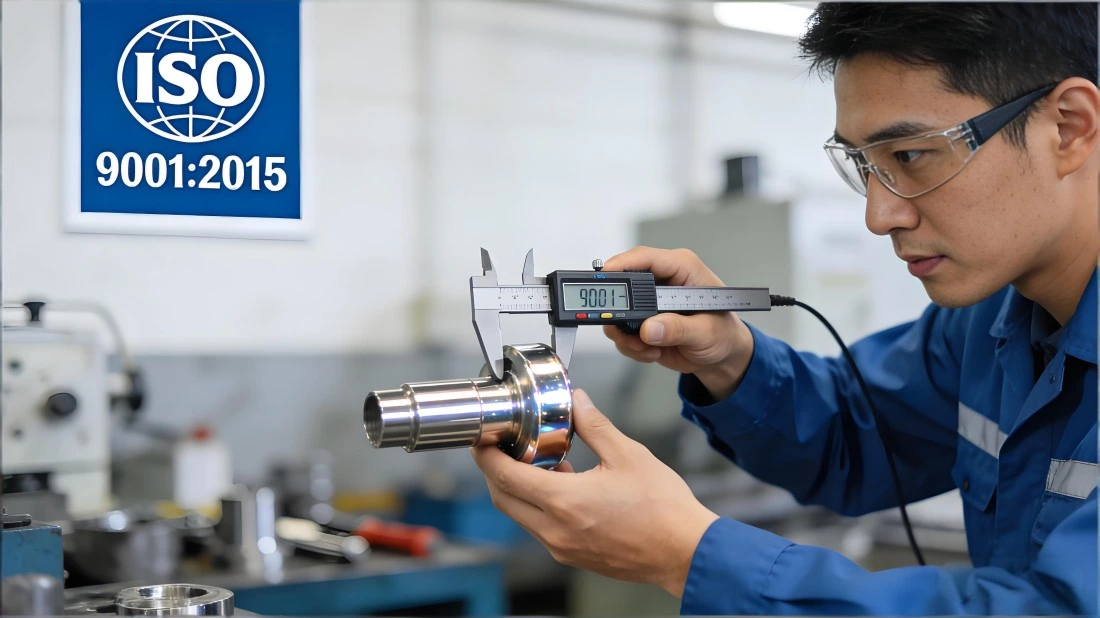
Experienced die casting manufacturers manage porosity risks during the design-for-manufacturing stage by optimizing gating systems, alloy selection, cooling balance, and injection parameters. Under ISO-certified quality control processes, porosity becomes a controllable engineering variable rather than a production failure.
Ultimately, successful die casting projects depend less on eliminating porosity entirely and more on ensuring that any internal characteristics remain within functional and performance requirements.
Scalable Manufacturing Through Integrated Die Casting Solutions
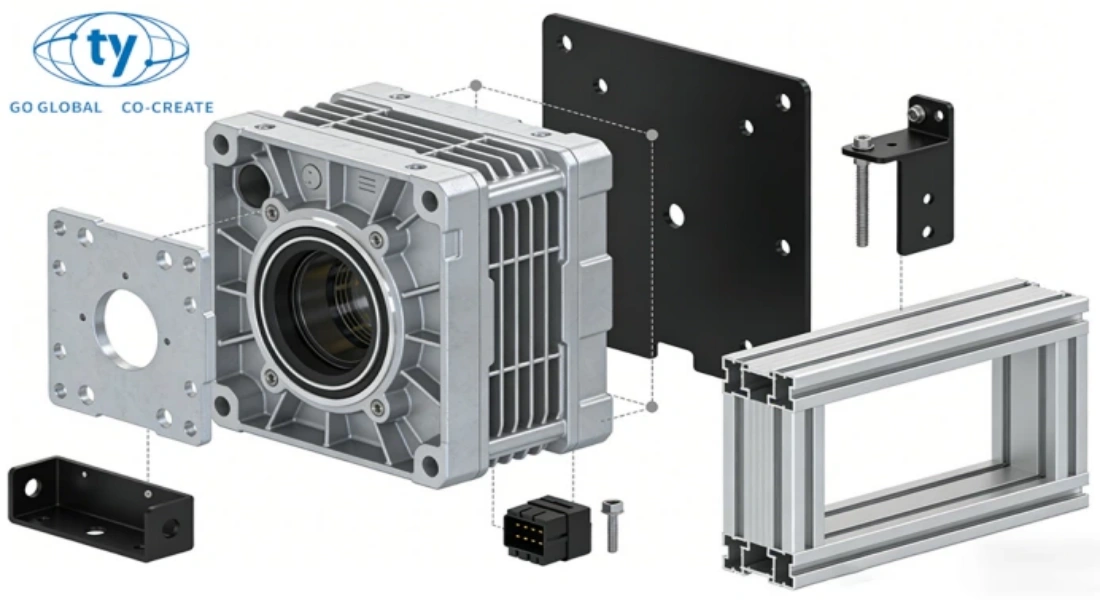
Modern industrial products rarely rely on a single manufacturing process. A typical assembly may include die-cast housings, sheet metal brackets, extrusion frames, and CNC-machined connection features. Working with multiple suppliers increases dimensional mismatch risks and prolongs production timelines.
Partnering with a custom die casting manufacturer capable of integrating die casting, CNC machining, fabrication, and assembly enables OEMs to streamline sourcing and maintain consistent quality standards. Integrated manufacturing improves part compatibility, reduces communication errors, and accelerates time-to-market. As production demand grows, high pressure die casting provides unmatched scalability, enabling stable mass production without proportional increases in labor or operational cost.
Choosing Reliable Die Casting Services for Long-Term Production Success
When sourcing die casting services in China or globally, reliability depends on engineering capability and quality systems rather than location alone. Qualified manufacturers operate under ISO-certified management systems that ensure traceability from raw material to finished component. Premium tooling materials such as H13 steel molds maintain dimensional stability across long production runs, ensuring consistent part quality from the first batch to the ten-thousandth unit.
For OEM companies transitioning from prototype machining to mass production, selecting an experienced manufacturing partner is critical. The right supplier provides design-for-manufacturing support, tooling expertise, and hybrid production solutions that balance cost, precision, and scalability.
If you are evaluating whether die casting is the right solution for your next project, explore our die casting services to learn more about our manufacturing capabilities.
Or contact our engineering team for a production assessment and quotation.