Our Commitment
Why Choose Tongyong
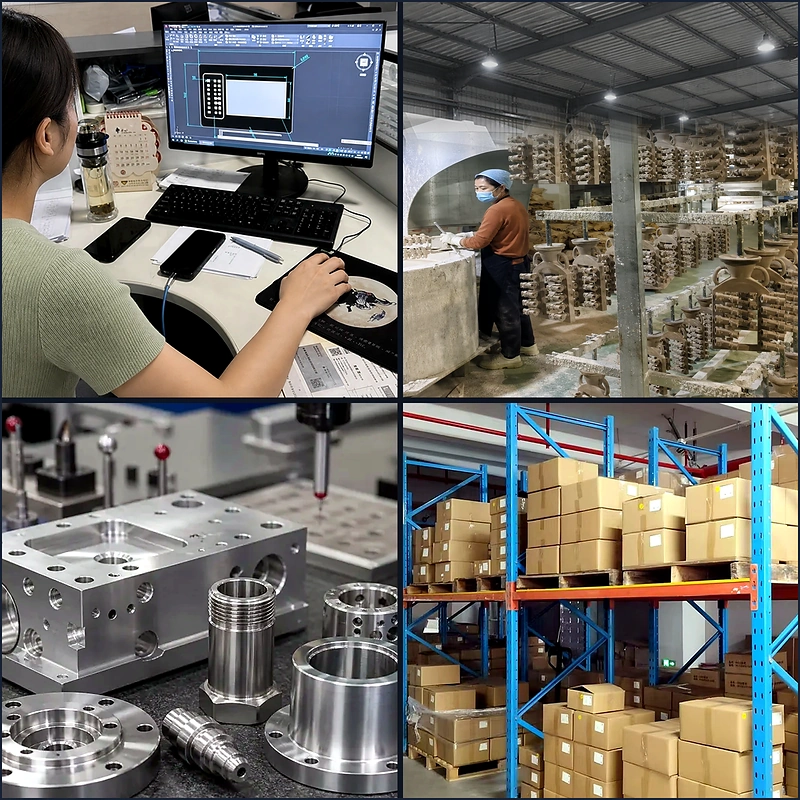
Guided by “Go Global · Co-Create,” we support global B2B customers with custom metal parts manufacturing — from engineering review and prototyping to quality control and delivery coordination.
Highly accurate chemical etching services for producing intricate, burr-free metal parts with complex patterns and fine features. Ideal for thin-gauge metals and delicate components.


Our manufacturing capabilities and precision standards for chemically etched components.


A selection of delicate chemically etched components across electronics, medical, aerospace, and jewelry industries.
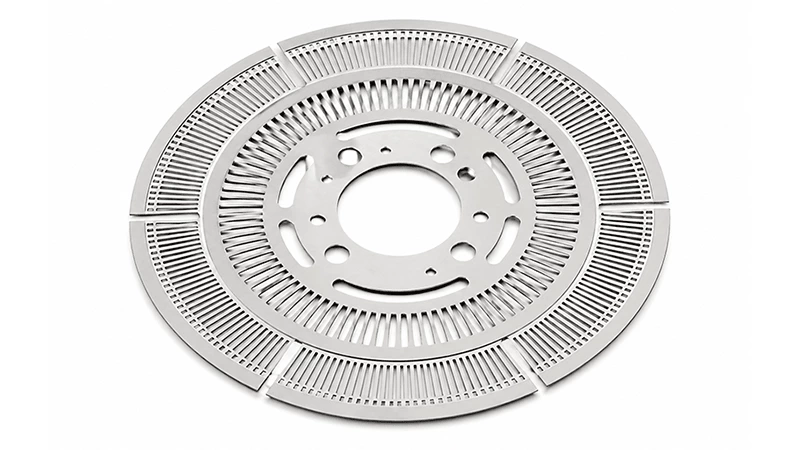
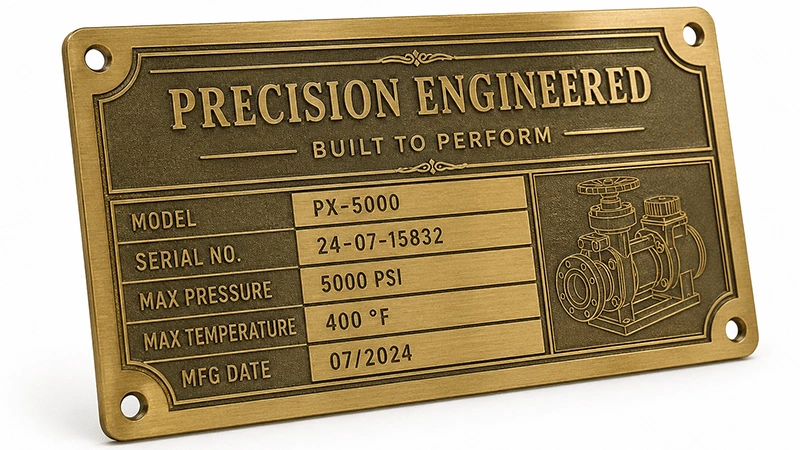
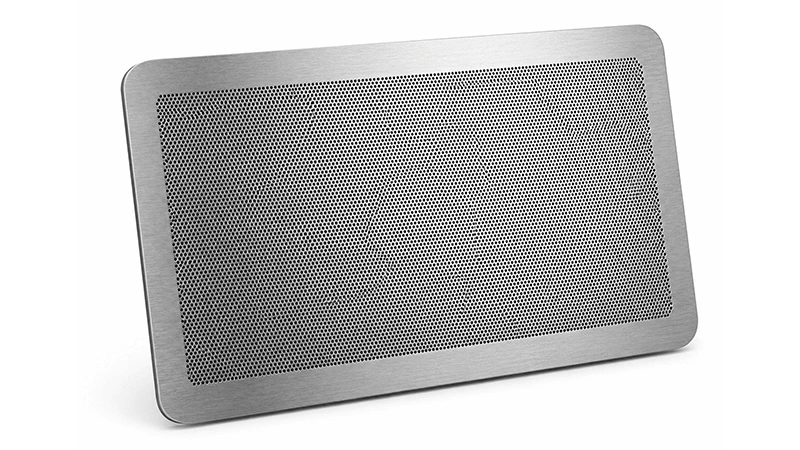
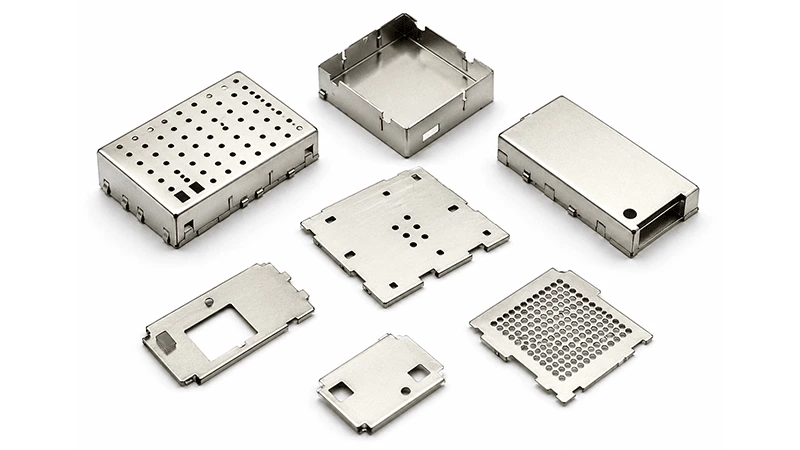
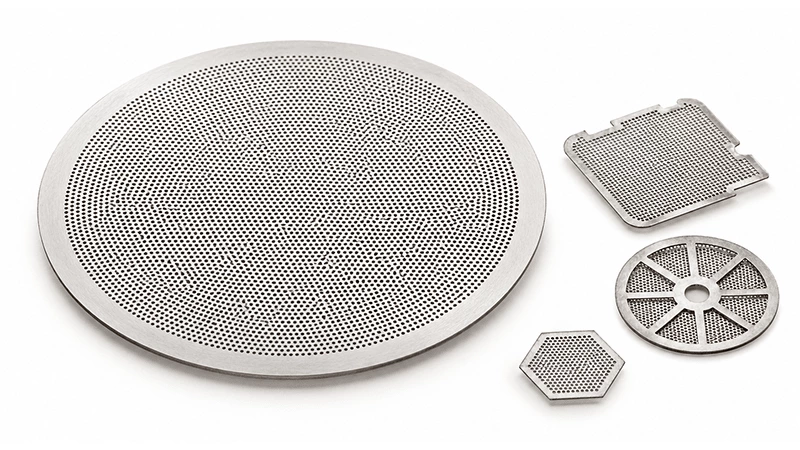
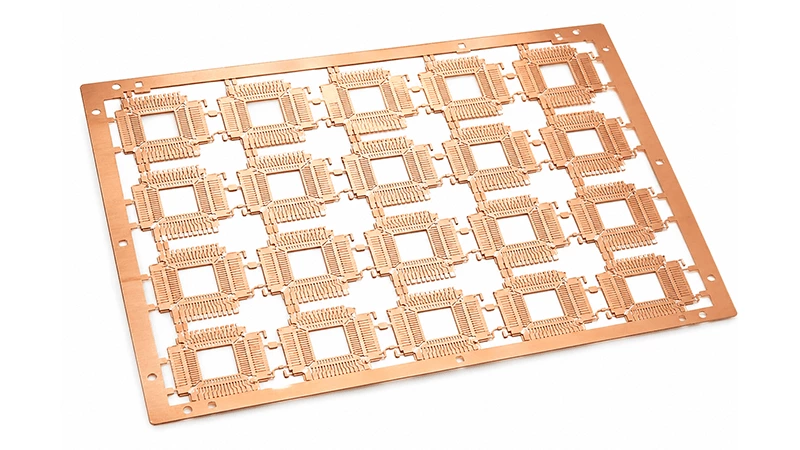
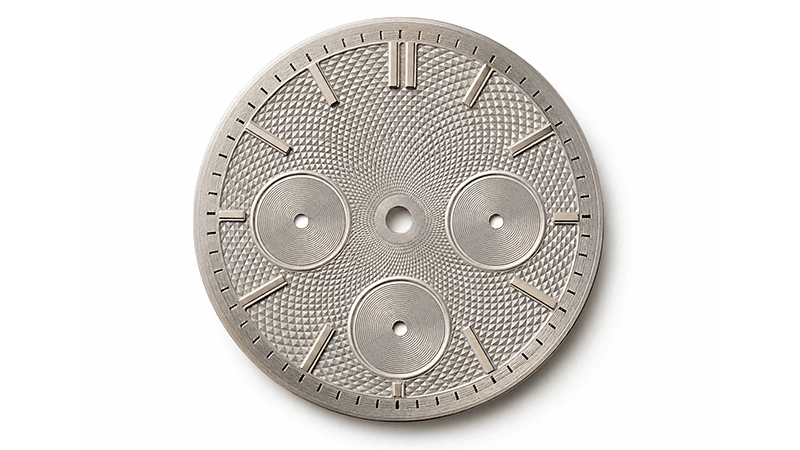
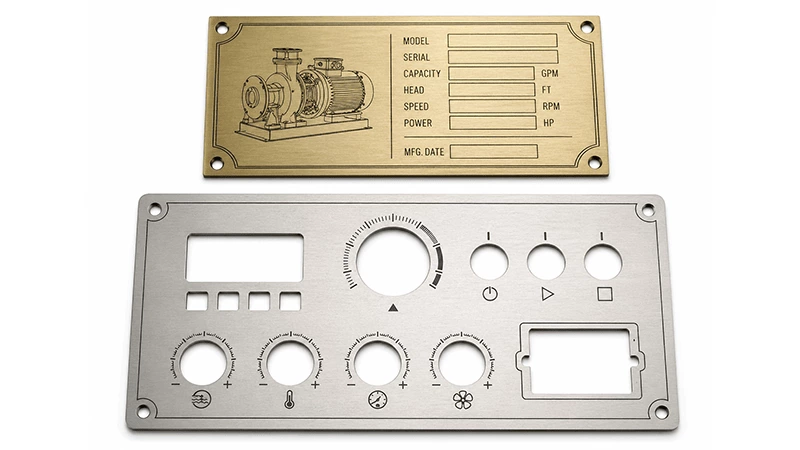
We accept custom manufacturing based on your drawings, 3D files, or reference samples.
What We Offer
Burr-free, stress-free precision etching for complex metal parts — ideal for thin materials, intricate geometries, and applications where accuracy and flatness are critical.
 Fine Detail

Chemical etching enables extremely fine features and intricate patterns that are difficult or impossible to achieve with conventional machining.
 No Stress / No Heat

Unlike laser cutting or punching, chemical etching removes material without mechanical force or heat, ensuring flatness and preserving material properties.
 Thin & Complex Parts

Chemical etching is especially suitable for thin metal sheets and complex designs, delivering repeatable quality for both prototypes and batch production.
Chemical etching enables intricate, stress-free component fabrication, with uniform precision across thin materials and complex geometries unachievable by mechanical methods.

Cutting, punching, and stamping all apply physical force that can bend or work-harden thin metal — chemical etching removes material without touching the part.

Unlike laser cutting, chemical etching generates no heat, so there's no risk of warping, discoloration, or altered material properties along the edge.

Mechanical tooling wears down over a production run, gradually shifting tolerances — chemical etching holds the same accuracy on part 1 and part 10,000.

Because nothing is physically deformed or thermally stressed, etched parts retain the same mechanical properties as the raw material — critical for thin or delicate components.
Guided by “Go Global · Co-Create,” we support global B2B customers with custom metal parts manufacturing — from engineering review and prototyping to quality control and delivery coordination.

DFM review, material advice, process planning, and feasibility support based on drawings or samples.

Machining, forming, casting, tooling, finishing, inspection, packaging, and delivery coordination under one workflow.

Engineering support for product development, OEM sourcing, and repeat production projects, with NDA available.
Support for samples, low-volume trials, and batch production as projects move toward stable supply.
Material checks, process monitoring, dimensional inspection, surface review, and final packaging checks by project needs.
Export packaging and delivery coordination for international B2B projects, with responsive communication throughout the process.

CNC & Automated Production Machines

Engineering, Technical & Quality Team Members

Global Customers Served

Years of Manufacturing Experience
Our Process
Send us your drawings, specifications or application requirements.
Our engineers evaluate feasibility and suggest optimized solutions.
Receive a detailed quote with pricing, lead time and specifications.
Prototype samples are produced for testing and confirmation.
Mass production with strict quality control at every stage.
Secure packaging, on-time shipment and full after-sales support.
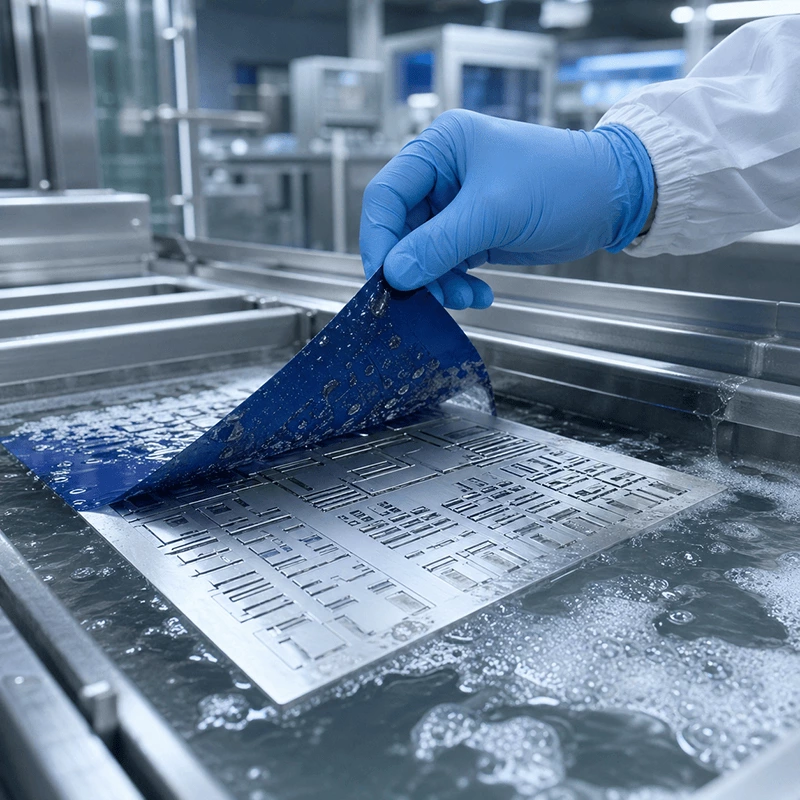
Chemical etching, also known as photochemical machining, uses chemical solutions to selectively remove material from a workpiece — without mechanical force or heat, so parts stay burr-free and stress-free.
How it works:
1. Apply a photosensitive resist coating to the metal
2. Expose it to UV light through a mask of the desired pattern
3. Develop and remove the unhardened resist
4. Immerse in an etching solution to dissolve the exposed metal
Thin sheets, max thickness 1.5mm.

Avoids material deformation.

Intricate holes, slots, logos.
No expensive tooling.
Manufacturing Capabilities
Faq
Find answers to common questions about our chemical etching and photo chemical etching process.
Commonly used on stainless steel and other metal sheets, particularly thin materials where cutting or heat may cause deformation.
No mechanical force or heat is involved, so no burrs or stress are introduced — unlike punching or laser cutting on thin materials.
Get Started Today
Upload your drawings and specifications. Our engineers will review and respond with an engineering review within 24 hours. All inquiries are treated with strict confidentiality.
We use cookies to collect information about how you use this website. We use this information to optimize website functionality and improve our services. Privacy Policy