Our Commitment
Why Choose Tongyong
Guided by “Go Global · Co-Create,” we support global B2B customers with custom metal parts manufacturing — from engineering review and prototyping to quality control and delivery coordination.
High-precision CNC turning services tailored for both prototype development and large-scale production of metal parts. Delivering exceptional roundness, tight tolerances, and smooth surface finishes for cylindrical and complex rotational components.


Our manufacturing capabilities and precision standards for CNC turned components.


A selection of precision CNC turned components across aerospace, medical, automotive, and heavy machinery industries.
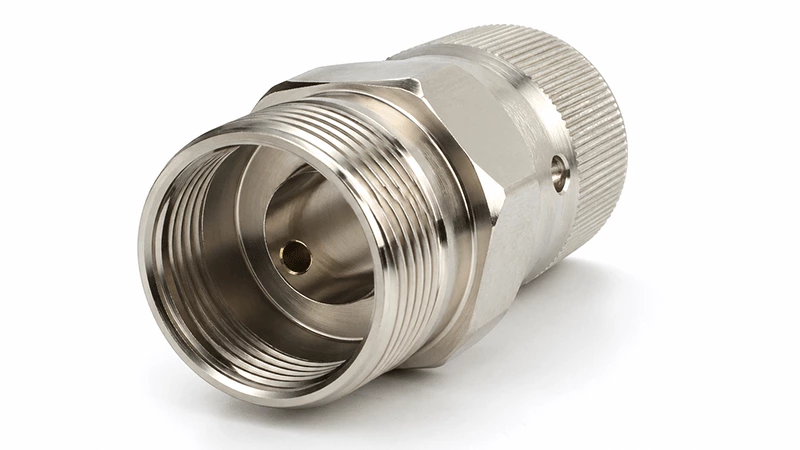
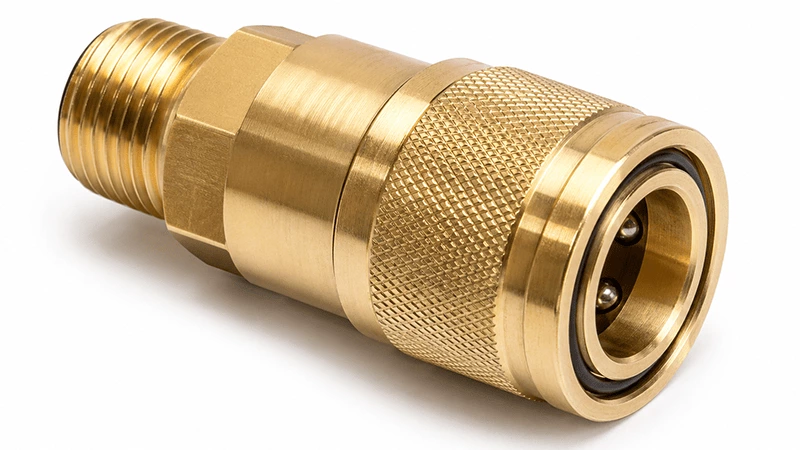
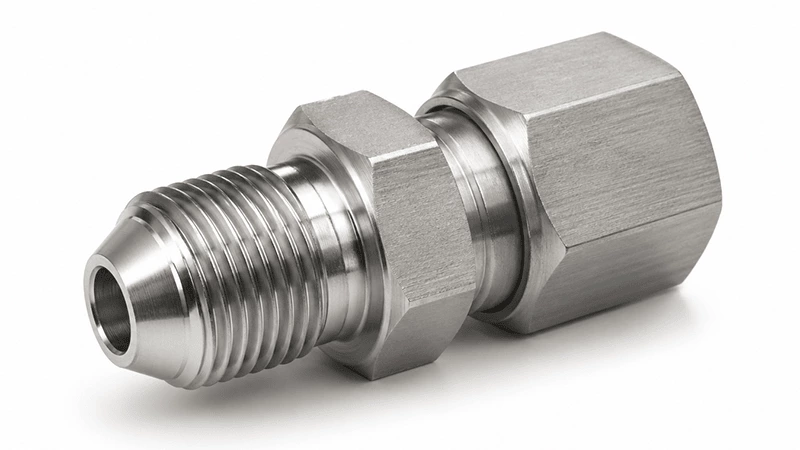
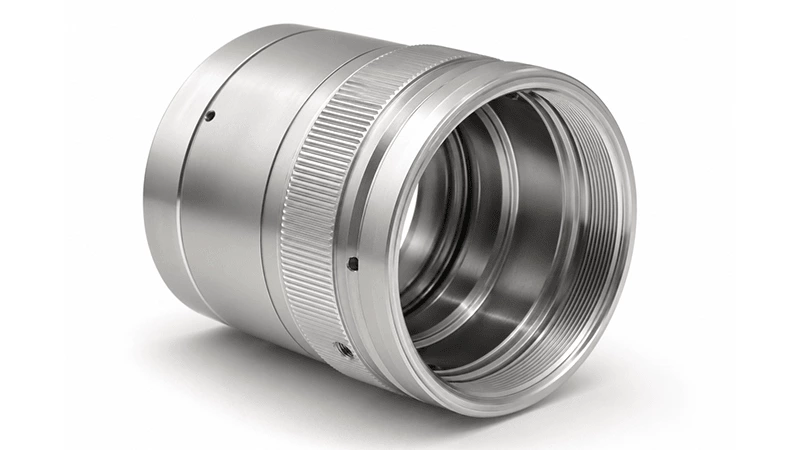
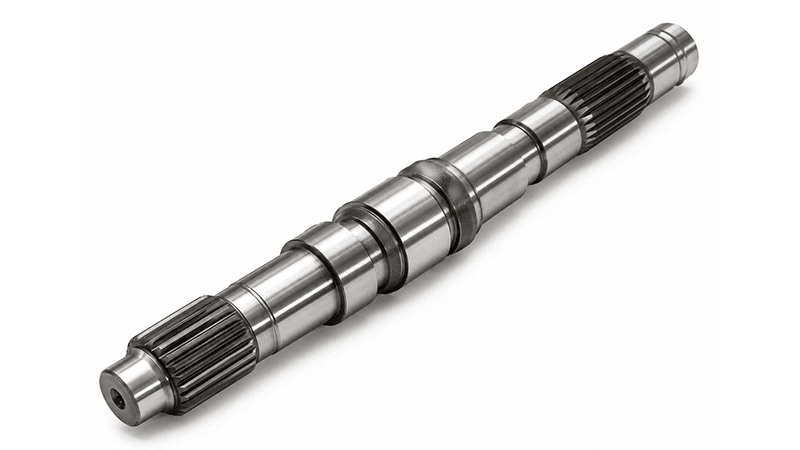
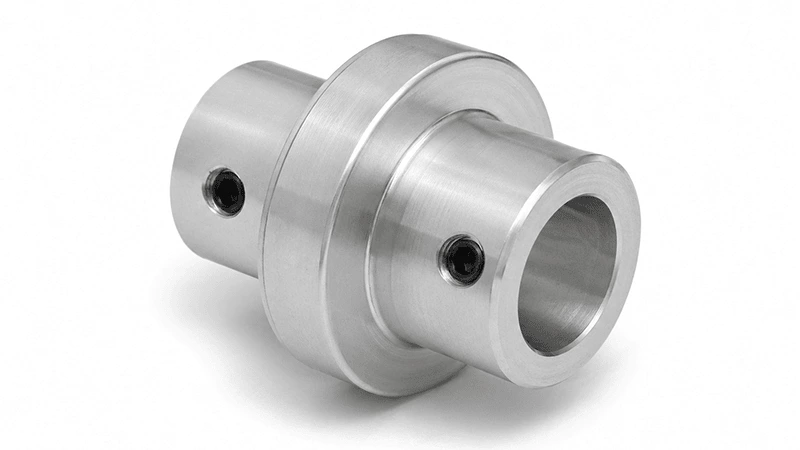
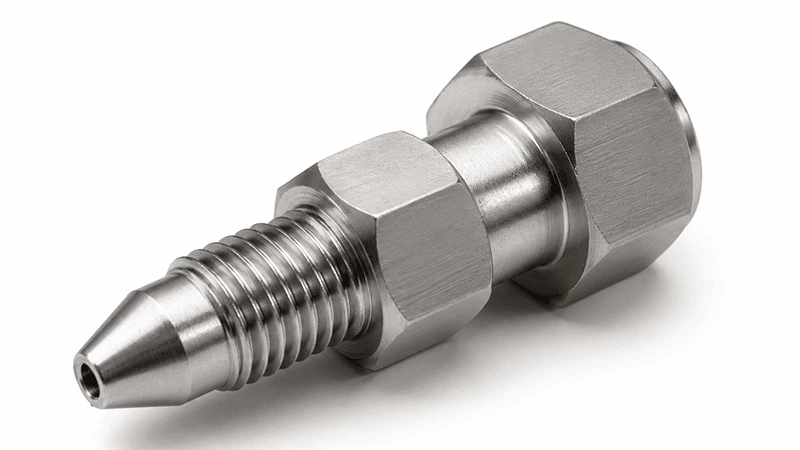
We accept custom manufacturing based on your drawings, 3D files, or reference samples.
What We Offer
From high-precision cylindrical components to complex multi-feature parts — our CNC turning centers deliver accuracy, consistency, and efficiency at scale.
 Precision Turning

Designed for tight-tolerance cylindrical components, our turning processes ensure consistent accuracy and surface finish across both prototype and high-volume production.
 Live Tooling

Integrating milling and turning in a single setup, our live tooling capability enables complex geometries while reducing secondary operations and improving efficiency.
 Multi-Axis

Our multi-axis turning centers enable highly complex parts with minimal setups, delivering precision and efficiency for demanding industries such as medical, automotive, and electronics.
CNC turning delivers unrivaled efficiency for cylindrical components, with tight tolerance control and seamless scalability for both high-volume runs and custom parts.

Achieve tolerances as tight as ±0.01 mm with consistent part-to-part repeatability across large production runs.

Mills virtually any material — aluminum alloys, stainless steel, titanium, hardened steel, copper, and high-performance plastics.

5-axis simultaneous milling machines undercuts, compound angles, and free-form surfaces without multiple repositioning steps.

Achieve surface roughness Ra 0.4–3.2 μm with fine-finishing passes, reducing or eliminating secondary polishing operations.
Guided by “Go Global · Co-Create,” we support global B2B customers with custom metal parts manufacturing — from engineering review and prototyping to quality control and delivery coordination.

DFM review, material advice, process planning, and feasibility support based on drawings or samples.

Machining, forming, casting, tooling, finishing, inspection, packaging, and delivery coordination under one workflow.

Engineering support for product development, OEM sourcing, and repeat production projects, with NDA available.

Support for samples, low-volume trials, and batch production as projects move toward stable supply.

Material checks, process monitoring, dimensional inspection, surface review, and final packaging checks by project needs.

Export packaging and delivery coordination for international B2B projects, with responsive communication throughout the process.
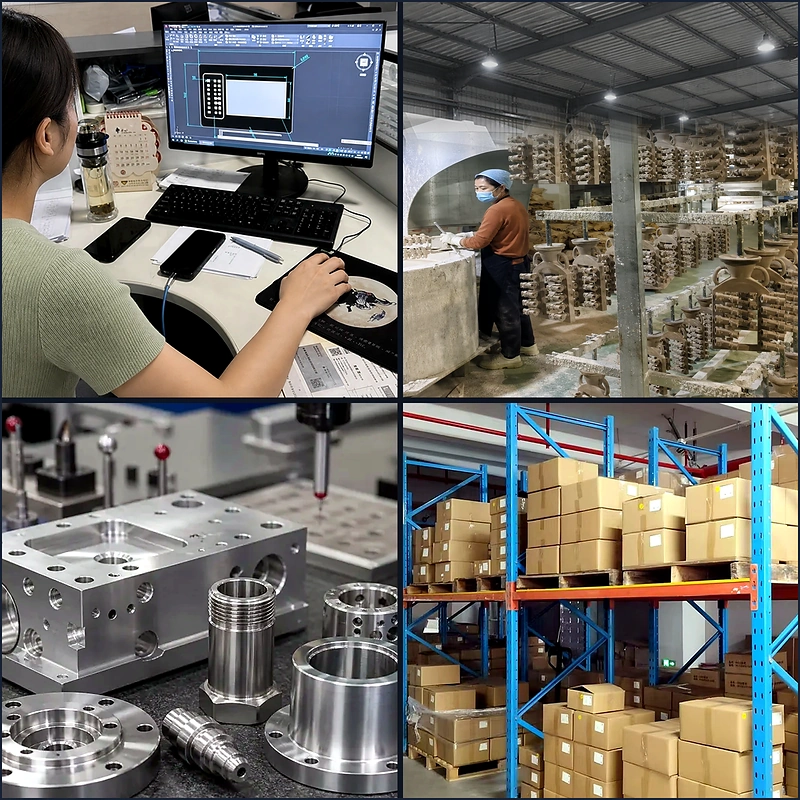

CNC & Automated Production Machines

Engineering, Technical & Quality Team Members

Global Customers Served

Years of Manufacturing Experience
Our Process
Send us your drawings, specifications or application requirements.
Our engineers evaluate feasibility and suggest optimized solutions.
Receive a detailed quote with pricing, lead time and specifications.
Prototype samples are produced for testing and confirmation.
Mass production with strict quality control at every stage.
Secure packaging, on-time shipment and full after-sales support.
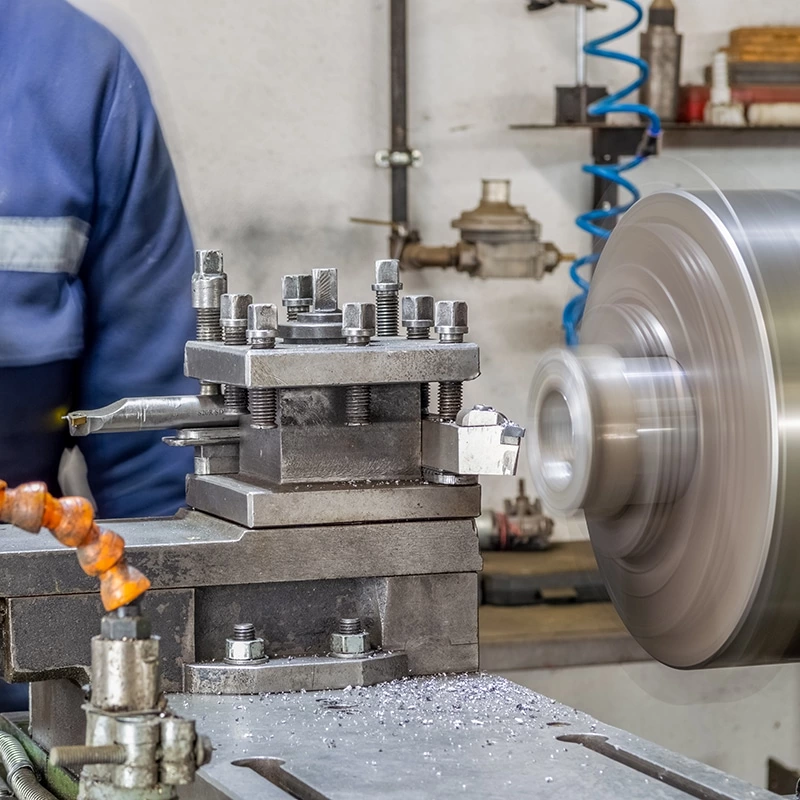
CNC turning is a computer-controlled subtractive manufacturing process that shapes a rotating workpiece using single-point cutting tools. Unlike milling, the workpiece spins while the tool moves along linear axes (X and Z, with optional C-axis for rotation) to create cylindrical, conical, or curved geometries like shafts, bolts, and bushings.
This process is ideal for producing symmetrical metal and plastic components with high precision. CNC turning machines, including lathes and Swiss-type lathes, feature chucks for holding workpieces, tool turrets with multiple cutting tools, and advanced controllers that ensure consistent, repeatable results even in high-volume production.
Modern CNC turning centers often integrate live tooling and Y-axis capabilities, allowing for milling operations like drilling slots and milling flats in a single setup. This eliminates the need for secondary machining, reduces lead times, and makes CNC turning a versatile choice for both simple prototypes and complex production parts.

Ensures stable rotating component assembly.

Turning + milling/drilling; 30% faster.

1000+ units; <2% material waste.
Manufacturing Capabilities
Get Started Today
Upload your drawings and specifications. Our engineers will review and respond with an engineering review within 24 hours. All inquiries are treated with strict confidentiality.
We use cookies to collect information about how you use this website. We use this information to optimize website functionality and improve our services. Privacy Policy