Our Commitment
Why Choose Tongyong
Guided by “Go Global · Co-Create,” we support global B2B customers with custom metal parts manufacturing — from engineering review and prototyping to quality control and delivery coordination.
Versatile CNC punching services designed for creating precise holes, slots, and forms in metal sheets and plates. Perfect for high-volume production of components with repetitive features.


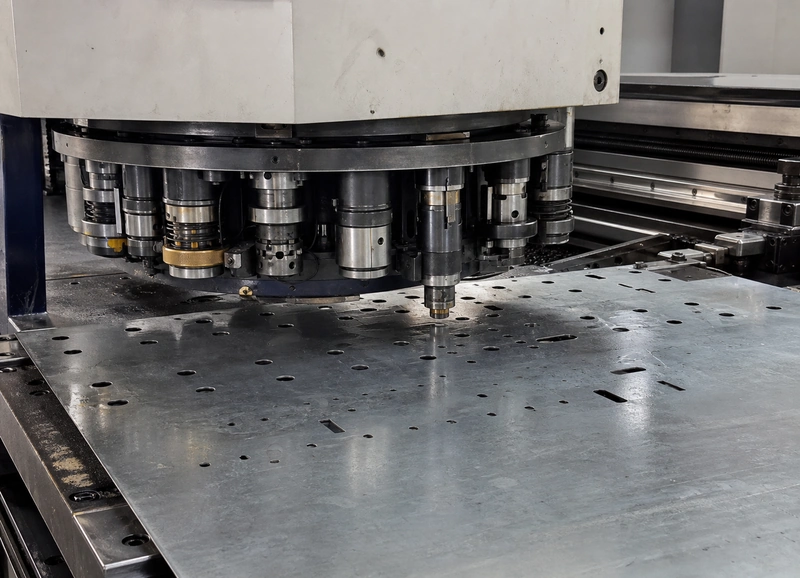
Our manufacturing capabilities and precision standards for punched sheet metal parts.


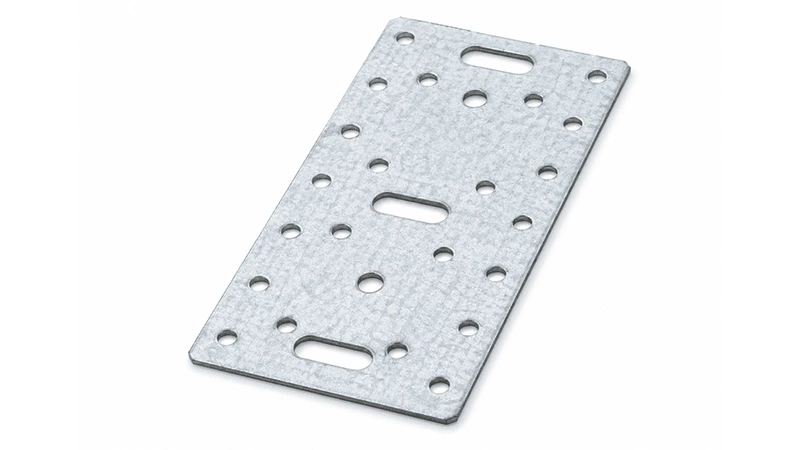
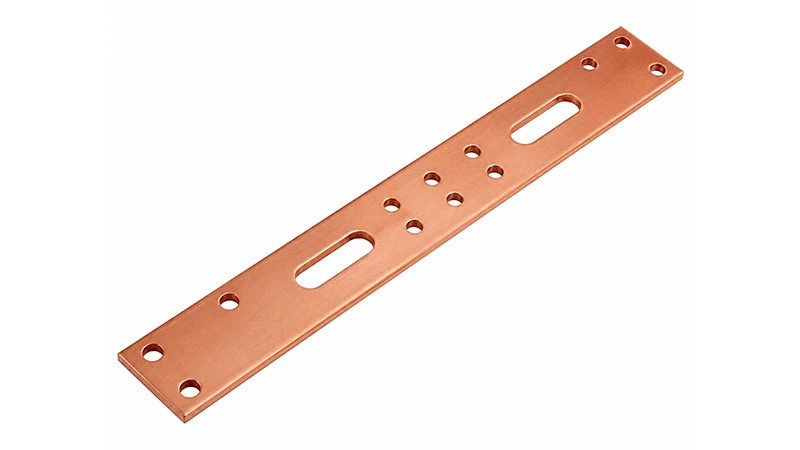
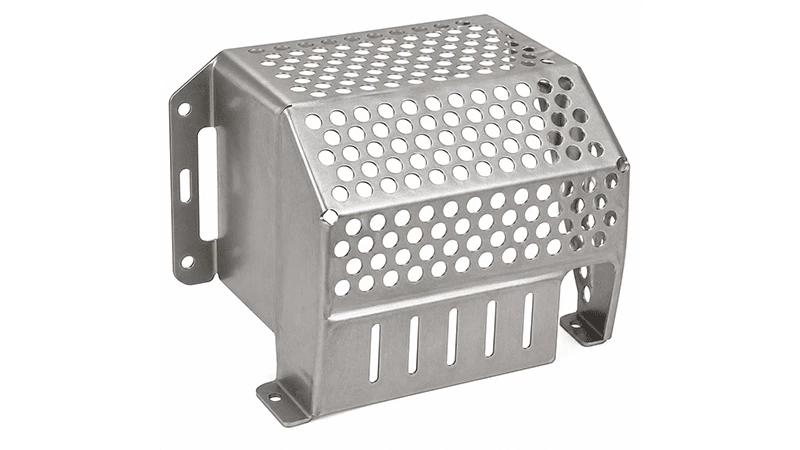
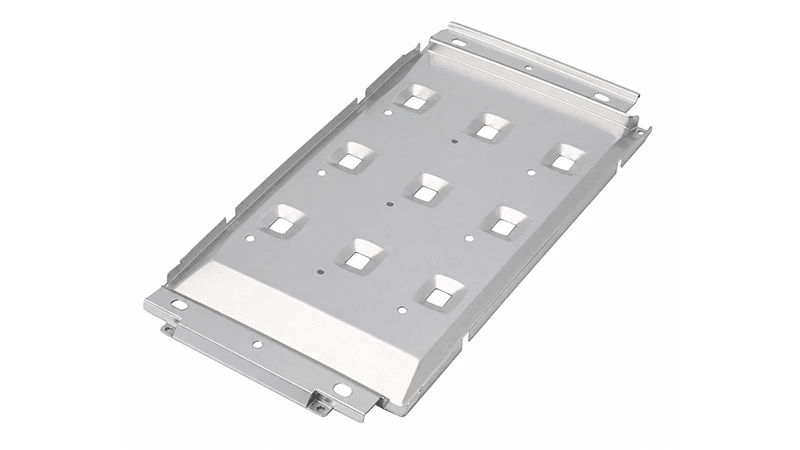
A selection of high-volume punched sheet metal components across HVAC, automotive, appliance, and furniture industries.
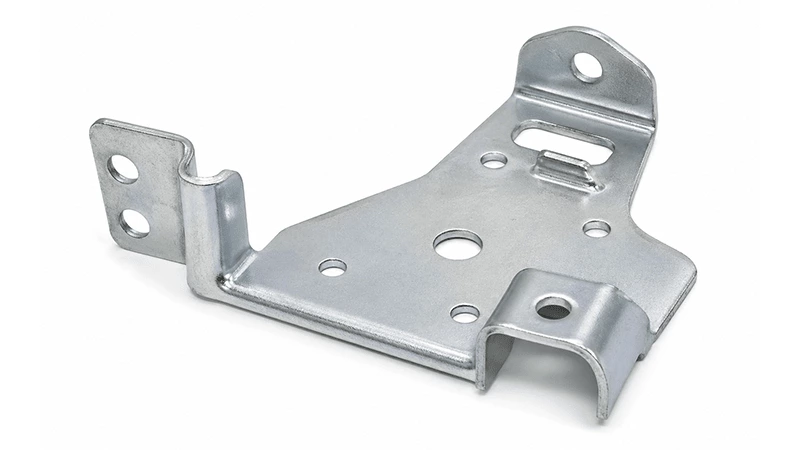
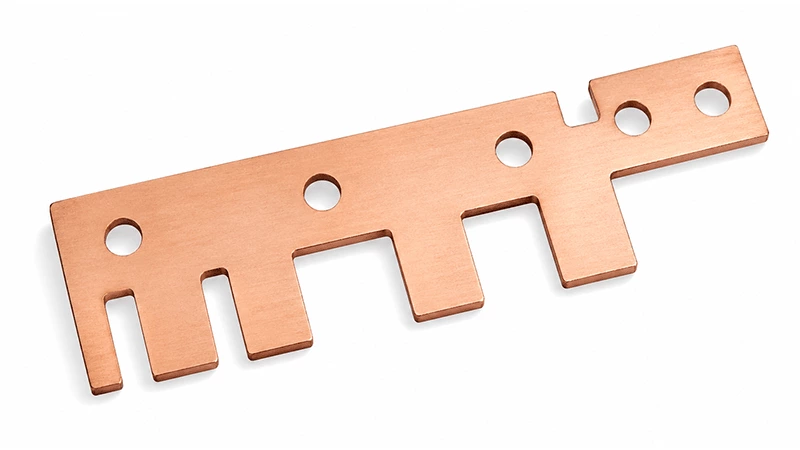
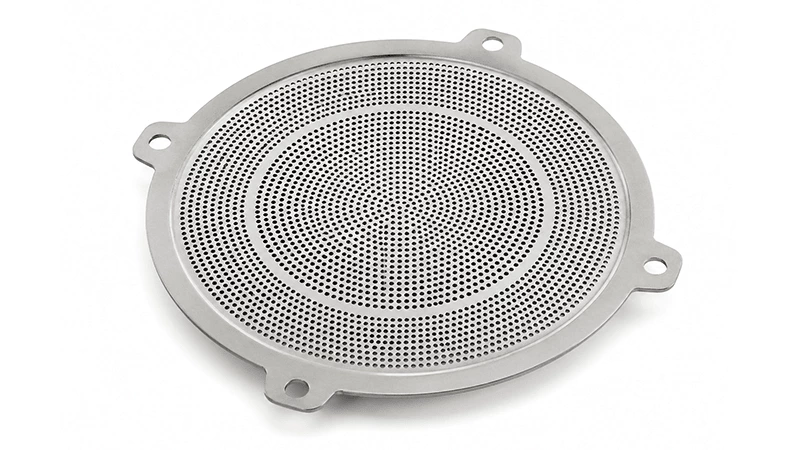
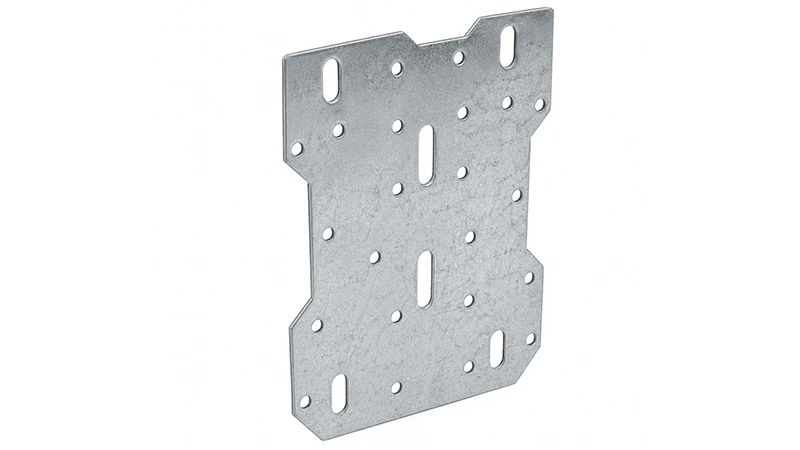
We accept custom manufacturing based on your drawings, 3D files, or reference samples.
What We Offer
Cost-effective and efficient sheet metal punching for high-volume production — ideal for repetitive parts, dense hole patterns, and consistent batch manufacturing.
 High Efficiency

Punching is highly efficient for repetitive sheet metal parts, making it an ideal solution for high-volume production with consistent output.
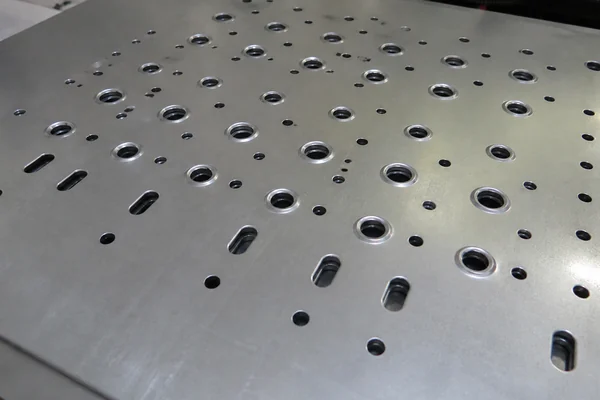 Hole Capability

We support a wide range of hole shapes, layouts, and sheet metal materials, ensuring flexibility for various industrial applications.
 Cost & Delivery

Punching offers a cost-efficient solution for high-volume sheet metal parts, with optimized processes for stable quality and fast turnaround.
Punching offers high-speed, cost-effective production for sheet metal parts, with consistent accuracy for repetitive hole patterns and custom formed features.

Achieve tolerances as tight as ±0.005 mm with consistent part-to-part repeatability across large production runs.

Mills virtually any material — aluminum alloys, stainless steel, titanium, hardened steel, copper, and high-performance plastics.

5-axis simultaneous milling machines undercuts, compound angles, and free-form surfaces without multiple repositioning steps.

First article deliverable in 3–7 days; high-volume production with consistent quality. No tooling investment required.
Guided by “Go Global · Co-Create,” we support global B2B customers with custom metal parts manufacturing — from engineering review and prototyping to quality control and delivery coordination.
DFM review, material advice, process planning, and feasibility support based on drawings or samples.
Machining, forming, casting, tooling, finishing, inspection, packaging, and delivery coordination under one workflow.

Engineering support for product development, OEM sourcing, and repeat production projects, with NDA available.
Support for samples, low-volume trials, and batch production as projects move toward stable supply.

Material checks, process monitoring, dimensional inspection, surface review, and final packaging checks by project needs.

Export packaging and delivery coordination for international B2B projects, with responsive communication throughout the process.
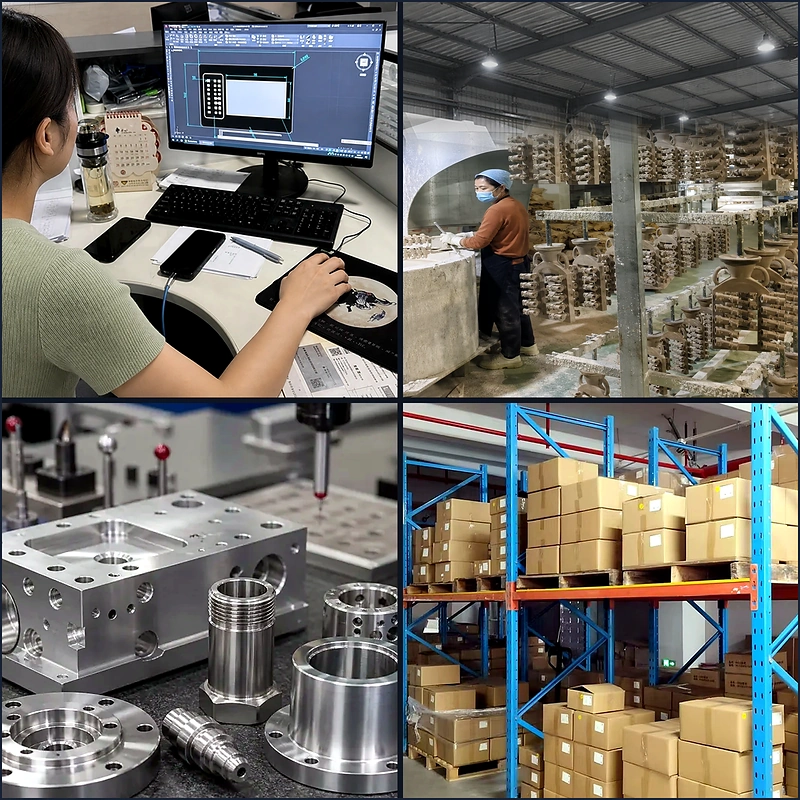

CNC & Automated Production Machines

Engineering, Technical & Quality Team Members

Global Customers Served

Years of Manufacturing Experience
Our Process
Send us your drawings, specifications or application requirements.
Our engineers evaluate feasibility and suggest optimized solutions.
Receive a detailed quote with pricing, lead time and specifications.
Prototype samples are produced for testing and confirmation.
Mass production with strict quality control at every stage.
Secure packaging, on-time shipment and full after-sales support.
Punching is a mechanical manufacturing process that uses a punch and die set to create holes, slots, notches, or custom shapes in sheet metal or thin plastic. Unlike laser cutting, it relies on force to shear the material: the punch is pressed through the workpiece into the die, which supports the material and ensures a clean cut.
CNC punching machines automate this process, using computer-controlled turrets to hold multiple punch and die sets. The workpiece is moved across the machine bed, and the turret rotates to select the correct tool for each feature, allowing for rapid production of repetitive shapes. Some machines also offer forming capabilities, such as bending or embossing, in a single setup.
Punching is ideal for high-volume production of components like brackets, panels, and enclosures, where speed and cost efficiency are priorities. It delivers consistent accuracy with tolerances typically around ±0.05 mm, and the use of modular tooling makes it easy to switch between different part designs. While it is most commonly used for sheet metal, it can also process thin plastics and other rigid materials.
Stable for 10k+ batches.

Economical for washers, brackets.
Fits steel, aluminum.

Uniform mass production quality.
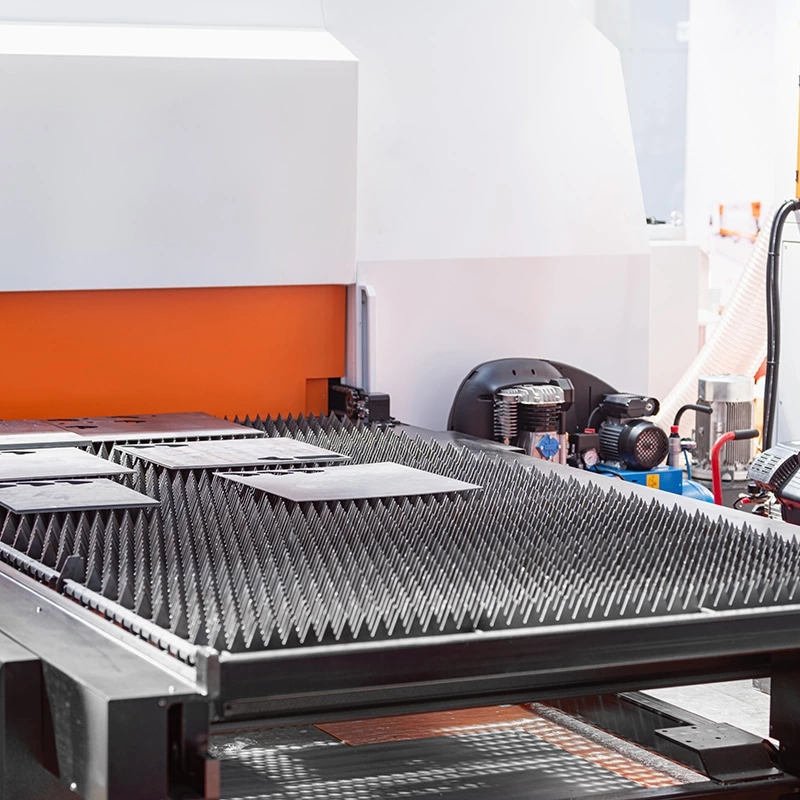
Manufacturing Capabilities
Get Started Today
Upload your drawings and specifications. Our engineers will review and respond with an engineering review within 24 hours. All inquiries are treated with strict confidentiality.
We use cookies to collect information about how you use this website. We use this information to optimize website functionality and improve our services. Privacy Policy