Our Commitment
Why Choose Tongyong
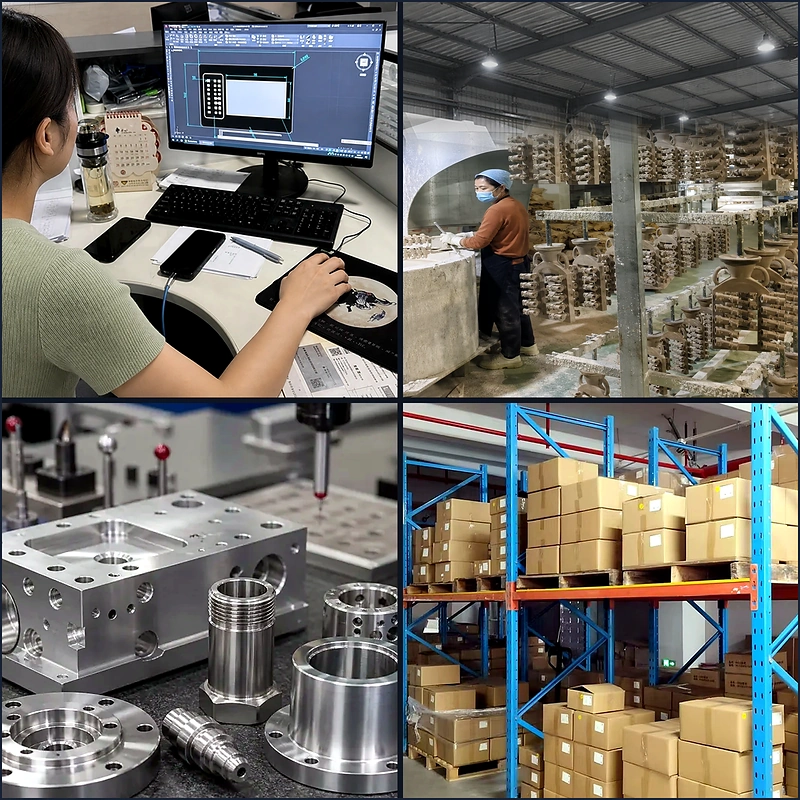
Guided by “Go Global · Co-Create,” we support global B2B customers with custom metal parts manufacturing — from engineering review and prototyping to quality control and delivery coordination.
Permanent and high-resolution laser etching services for marking metal parts with logos, serial numbers, barcodes, and custom designs. Ensures clear, durable markings resistant to wear and corrosion.


Our manufacturing capabilities and precision standards for laser-etched markings and parts.


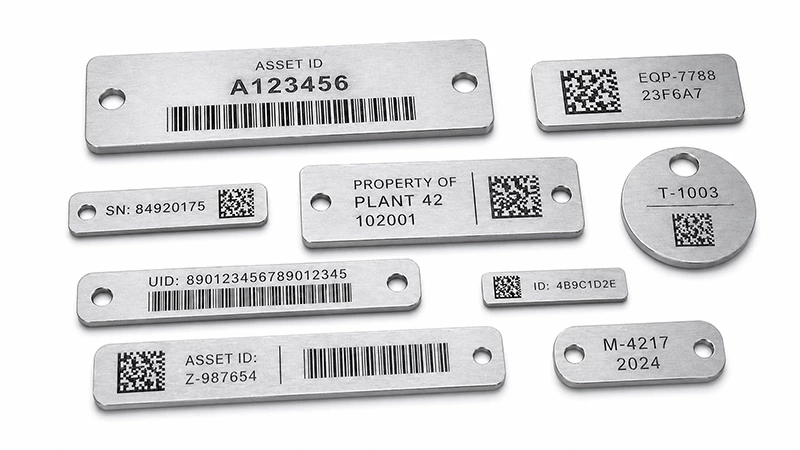
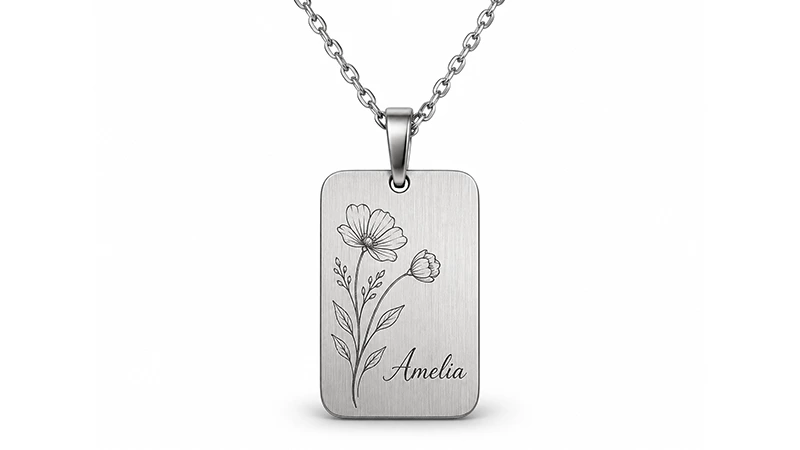
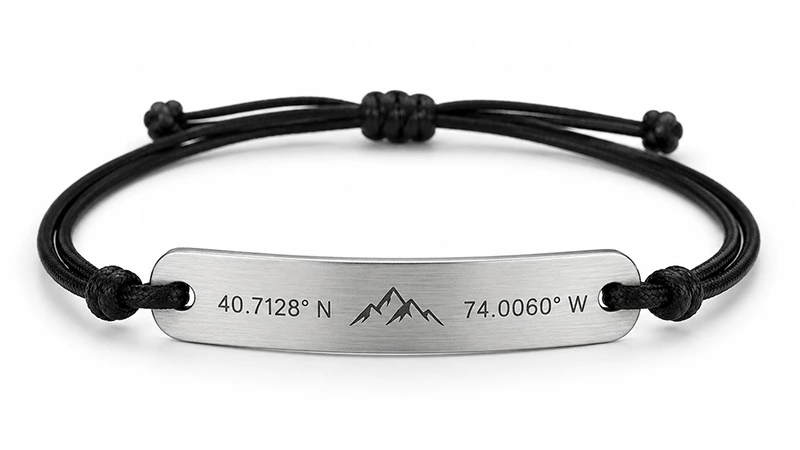
A selection of permanent laser-etched markings and components across automotive, aerospace, medical, and electronics industries.
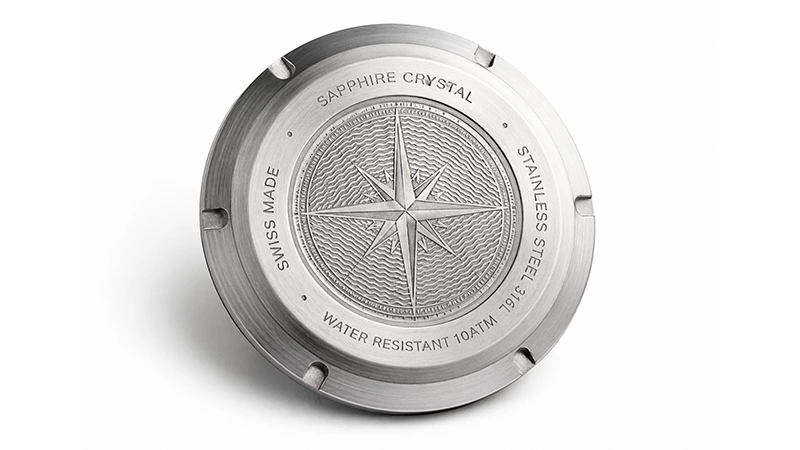
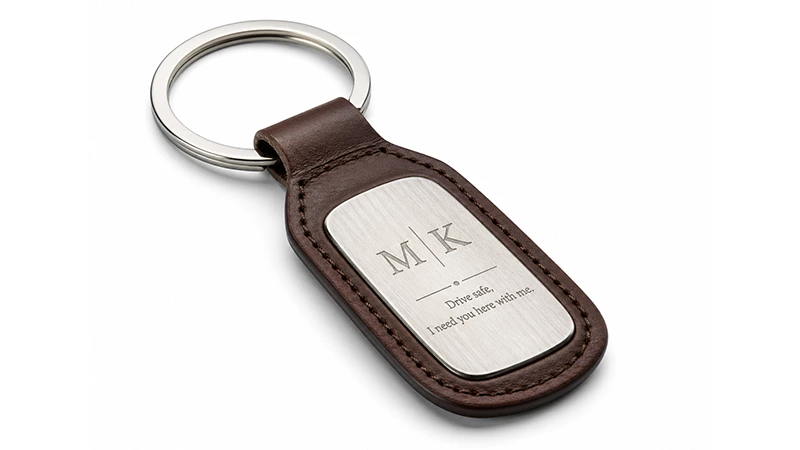
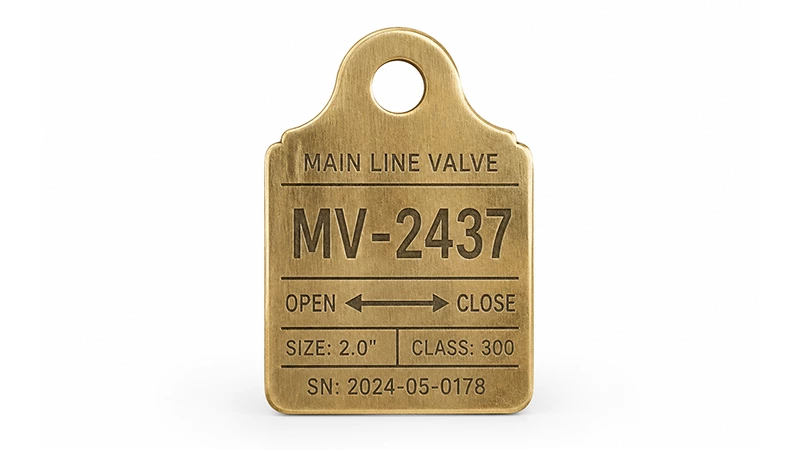
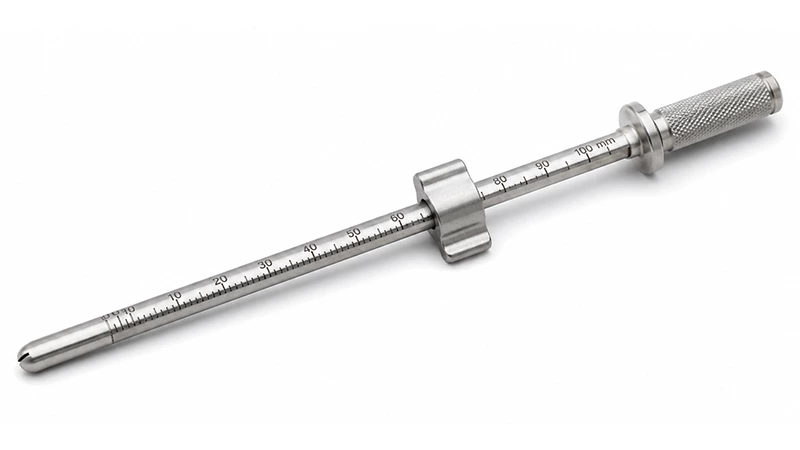
We accept custom manufacturing based on your drawings, 3D files, or reference samples.
What We Offer
High-precision laser etching for permanent, high-contrast markings — ideal for part identification, branding, and traceability across industrial applications.
 High Clarity

Our laser etching process delivers sharp, high-contrast markings for part identification, ensuring excellent readability even for fine details.
 Permanent Marking

Laser etching creates permanent markings that resist wear, corrosion, and environmental exposure, ensuring long-term durability.
 Wide Applications

Laser etching supports a wide range of industrial applications, from functional identification to branding and labeling.
Laser etching delivers permanent, high-contrast markings with micron-level precision, ideal for part traceability, branding, and detailed surface customization.

No masks or tooling to prepare — designs go straight from file to laser, which is why single prototypes and full production runs move on the same fast timeline.

Each part can carry a unique serial number, QR code, or batch ID without changing any tooling — something a fixed chemical etching mask or stamping die can't do part-to-part.

The laser never touches the part, so thin, curved, or delicate components can be marked without clamping force or risk of deformation.

The mark is created without paint, ink, or added material — nothing to wear off, peel, or require secondary finishing after marking.
Guided by “Go Global · Co-Create,” we support global B2B customers with custom metal parts manufacturing — from engineering review and prototyping to quality control and delivery coordination.

DFM review, material advice, process planning, and feasibility support based on drawings or samples.

Machining, forming, casting, tooling, finishing, inspection, packaging, and delivery coordination under one workflow.

Engineering support for product development, OEM sourcing, and repeat production projects, with NDA available.

Support for samples, low-volume trials, and batch production as projects move toward stable supply.

Material checks, process monitoring, dimensional inspection, surface review, and final packaging checks by project needs.
Export packaging and delivery coordination for international B2B projects, with responsive communication throughout the process.

CNC & Automated Production Machines

Engineering, Technical & Quality Team Members

Global Customers Served

Years of Manufacturing Experience
Our Process
Send us your drawings, specifications or application requirements.
Our engineers evaluate feasibility and suggest optimized solutions.
Receive a detailed quote with pricing, lead time and specifications.
Prototype samples are produced for testing and confirmation.
Mass production with strict quality control at every stage.
Secure packaging, on-time shipment and full after-sales support.
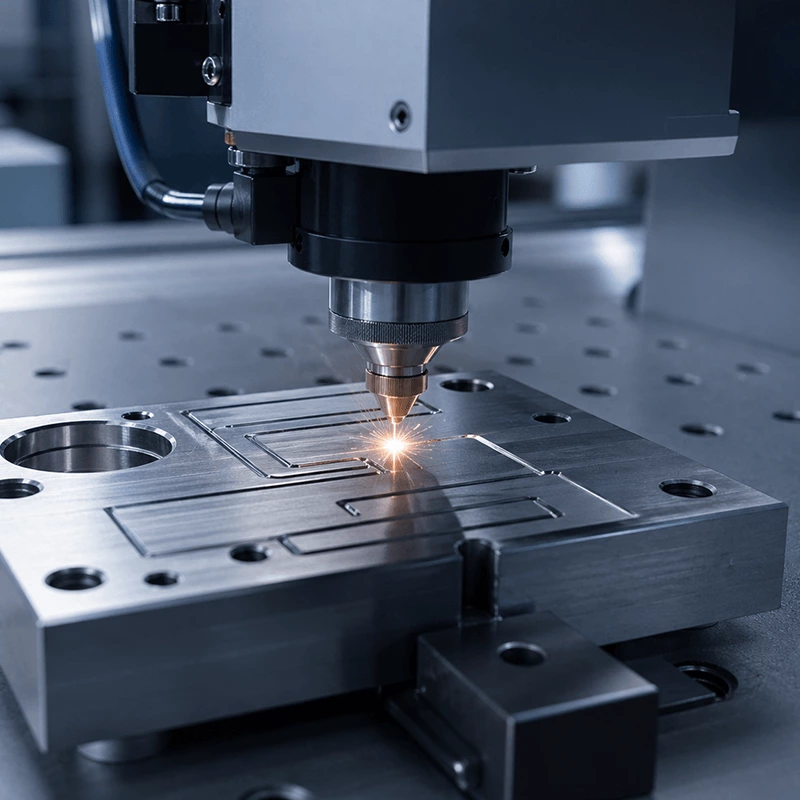
Laser etching is a non-contact marking process that uses a focused laser beam to remove a thin layer of material, creating a permanent, high-contrast mark — no masks or chemicals required.
How it works:
1. A high-power laser beam is directed onto the workpiece surface
2. The laser heats and vaporizes a tiny amount of material to form the pattern
3. Intensity, speed, and focus control the depth — from shallow surface marks to deeper engravings
4. On metal, this typically creates a dark, oxidized mark
Laser etching creates fine details with line widths as small as 0.05mm, and is widely used for part marking (serial numbers, logos, barcodes), decorative engravings, and functional surface modifications in industries such as automotive, medical, aerospace, and electronics. Its non-contact nature ensures no tool wear, consistent results, and no damage to delicate components.
Sharp logos, text, QR codes.

Stainless steel, aluminum, copper, titanium.
No setup delays.

Resists wear, corrosion.
Manufacturing Capabilities
Faq
Find answers to common questions about our laser etching and laser marking process for metal parts.
Commonly used for permanent identification marks such as logos, serial numbers, QR codes, and batch tracking codes.
Yes. Laser etching works from a digital file rather than a physical mask, so design changes need no new tooling — useful for multiple SKUs.
Yes. QR code laser marking is commonly used to create a permanent, scannable code directly on the metal surface for traceability.
Yes — laser etching stainless steel and laser marking aluminium are both common applications, along with other metals.
Get Started Today
Upload your drawings and specifications. Our engineers will review and respond with an engineering review within 24 hours. All inquiries are treated with strict confidentiality.
We use cookies to collect information about how you use this website. We use this information to optimize website functionality and improve our services. Privacy Policy