Our Commitment
Why Choose Tongyong
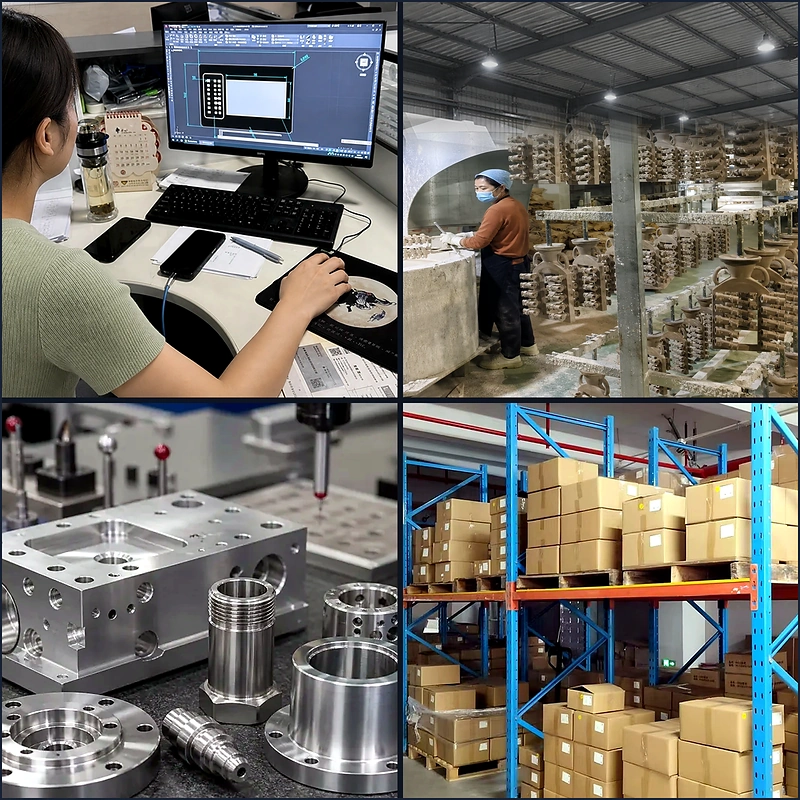
Guided by “Go Global · Co-Create,” we support global B2B customers with custom metal parts manufacturing — from engineering review and prototyping to quality control and delivery coordination.
Fast and accurate laser cutting services for a variety of metal sheet materials, ideal for producing intricate 2D shapes and complex profiles with minimal heat-affected zones.


Our manufacturing capabilities and precision standards for laser-cut workpieces.


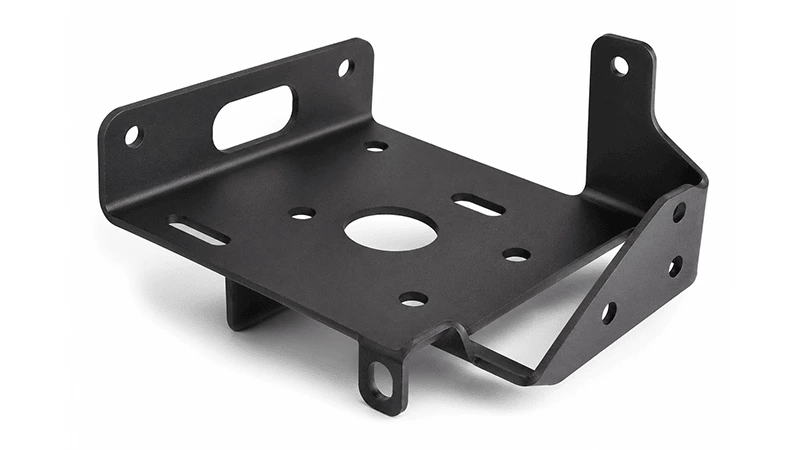
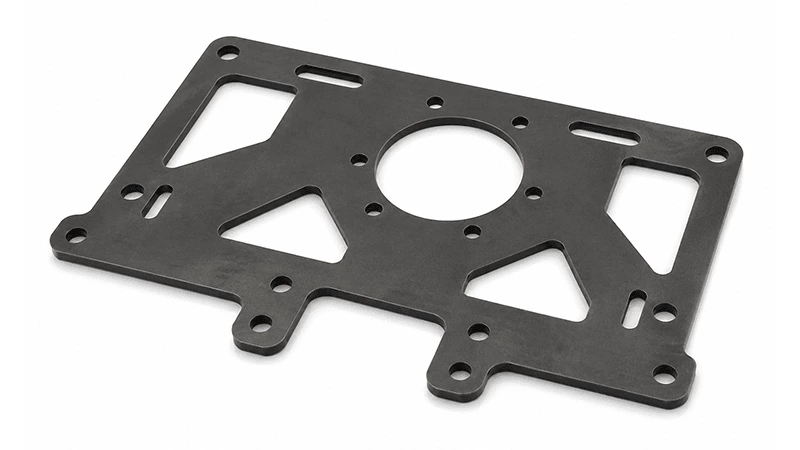
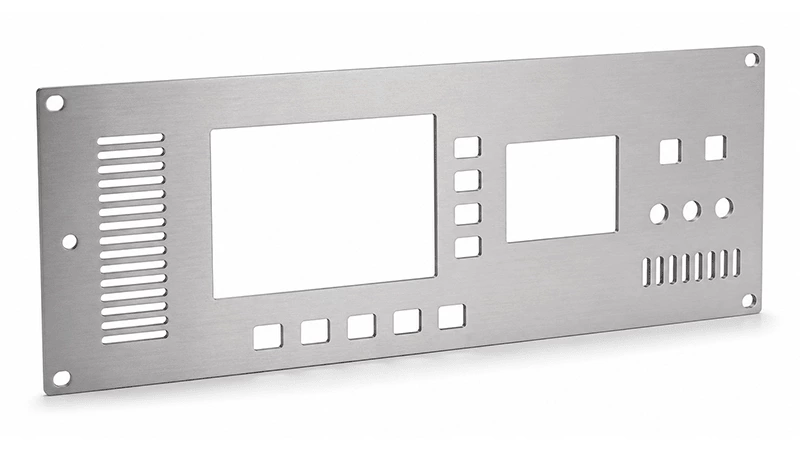
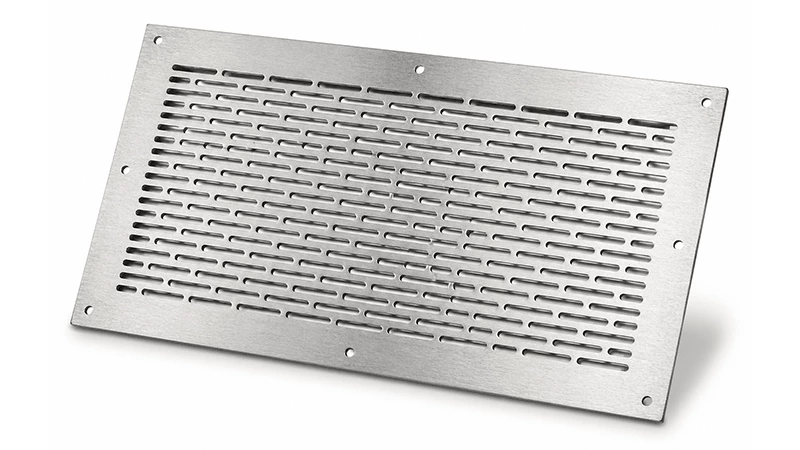
A selection of intricate laser-cut components across automotive, construction, signage, and consumer goods industries.
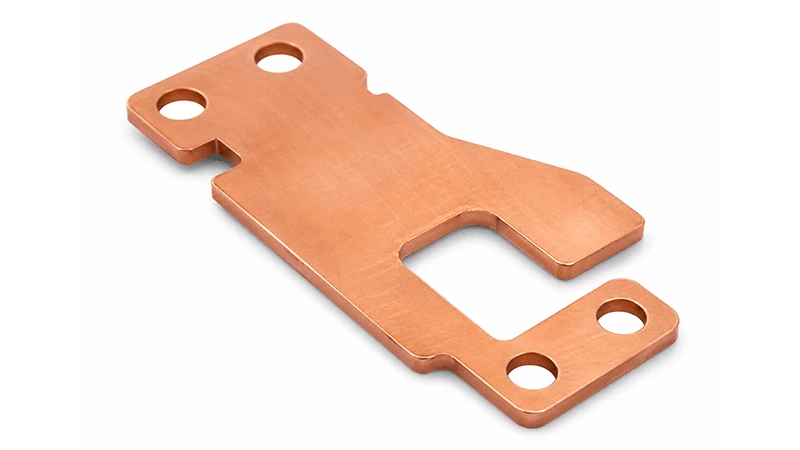
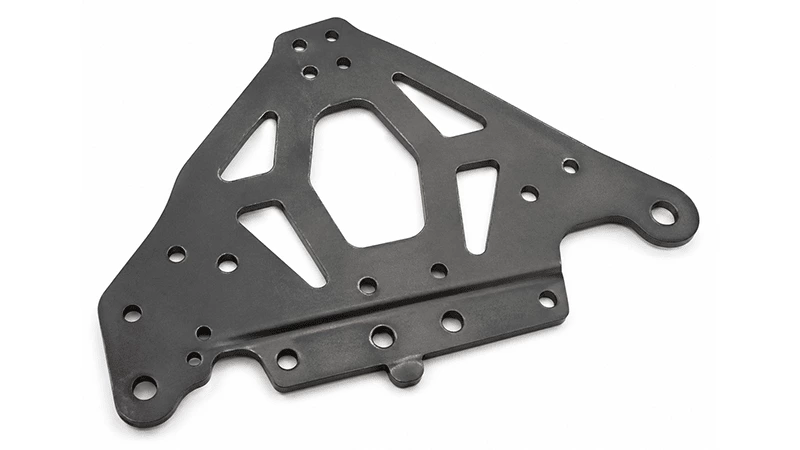
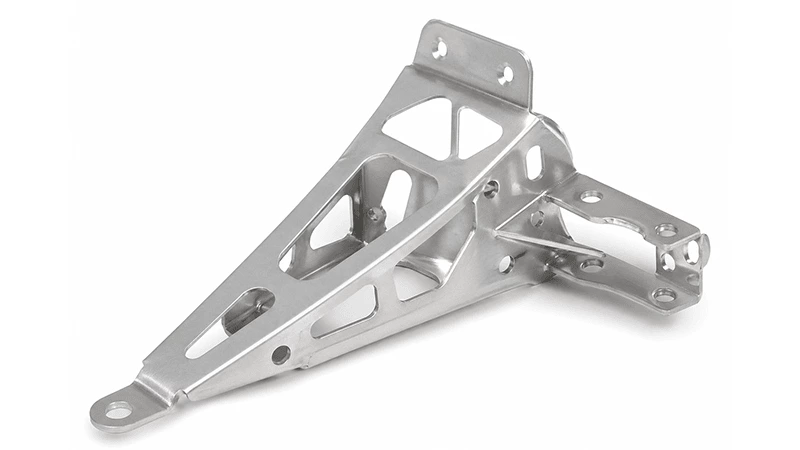
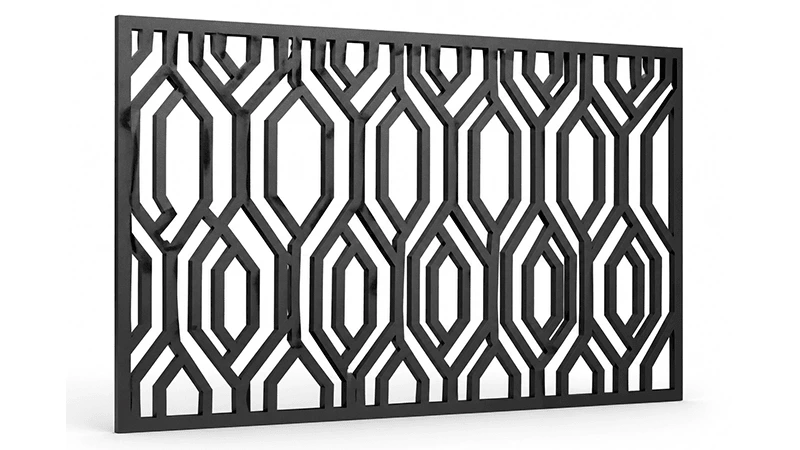
We accept custom manufacturing based on your drawings, 3D files, or reference samples.
What We Offer
From thin-gauge sheet metal to thick industrial plates — our laser cutting systems deliver clean, precise cuts for diverse fabrication needs.
 Precision Cutting

Our advanced laser cutting systems ensure accurate profiles and stable performance across a wide range of sheet metal components.
 Max Thickness

We support a wide range of metals and thicknesses, enabling flexible manufacturing for diverse industrial applications.
 Quality & Delivery

Optimized cutting parameters and efficient workflow ensure high-quality parts with consistent results and fast turnaround.
Laser cutting delivers clean sheet metal profiles with fast setup, flexible design changes, and stable quality from prototype to production.

Cut outlines, slots, holes, and internal features from CAD drawings with stable, repeatable geometry for custom sheet metal parts.

Support prototypes, small batches, and design revisions without dedicated tooling in many sheet metal projects, reducing early-stage setup complexity.

Process stainless steel, aluminum, carbon steel, and galvanized steel with material-specific guidance for thickness, edge quality, and application needs.

Prepare cut blanks for bending, welding, tapping, surface finishing, and assembly, helping projects move from flat sheet to finished components.
Guided by “Go Global · Co-Create,” we support global B2B customers with custom metal parts manufacturing — from engineering review and prototyping to quality control and delivery coordination.

DFM review, material advice, process planning, and feasibility support based on drawings or samples.

Machining, forming, casting, tooling, finishing, inspection, packaging, and delivery coordination under one workflow.

Engineering support for product development, OEM sourcing, and repeat production projects, with NDA available.

Support for samples, low-volume trials, and batch production as projects move toward stable supply.

Material checks, process monitoring, dimensional inspection, surface review, and final packaging checks by project needs.

Export packaging and delivery coordination for international B2B projects, with responsive communication throughout the process.

CNC & Automated Production Machines

Engineering, Technical & Quality Team Members

Global Customers Served

Years of Manufacturing Experience
Our Process
Send us your drawings, specifications or application requirements.
Our engineers evaluate feasibility and suggest optimized solutions.
Receive a detailed quote with pricing, lead time and specifications.
Prototype samples are produced for testing and confirmation.
Mass production with strict quality control at every stage.
Secure packaging, on-time shipment and full after-sales support.
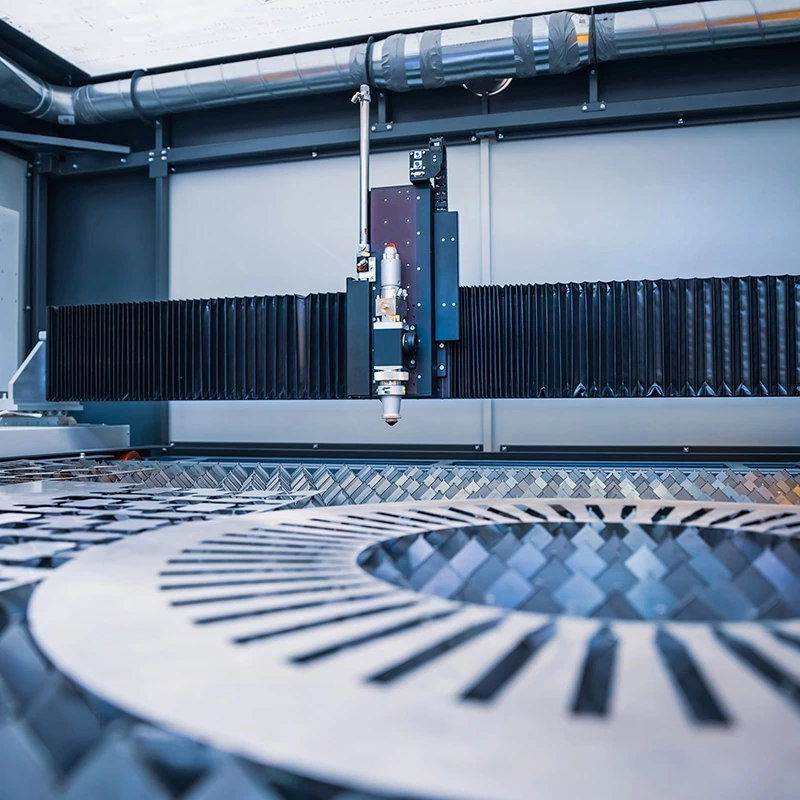
Laser cutting is a computer-controlled thermal subtractive manufacturing process that uses a focused high-power laser beam to melt, vaporize, or burn through material. Unlike mechanical cutting methods, the laser beam acts as a non-contact tool, guided by CNC systems to follow precise paths and create intricate or simple geometries across a wide range of materials, including metals, plastics, wood, and composites.
This process excels at producing components with narrow, clean cuts and minimal thermal distortion, making it ideal for both intricate prototypes and high-volume production runs. Laser cutting systems typically include a laser source (such as CO₂, fiber, or UV lasers), a CNC-controlled motion system, and an assist gas nozzle that blows away molten material to maintain cut quality. Advanced systems may also integrate vision alignment for precise positioning of complex workpieces.
Modern laser cutting machines often feature adaptive power control and automated material handling, enabling seamless switching between different material types and thicknesses in a single setup. This versatility reduces production downtime, eliminates the need for multiple specialized tools, and makes laser cutting a go-to solution for industries ranging from aerospace and automotive to signage and electronics manufacturing.
Clean edges, no burrs.

Cuts steel, aluminum, copper.

No mold; 2x faster.

Handles intricate patterns.
Manufacturing Capabilities
Get Started Today
Upload your drawings and specifications. Our engineers will review and respond with an engineering review within 24 hours. All inquiries are treated with strict confidentiality.
We use cookies to collect information about how you use this website. We use this information to optimize website functionality and improve our services. Privacy Policy