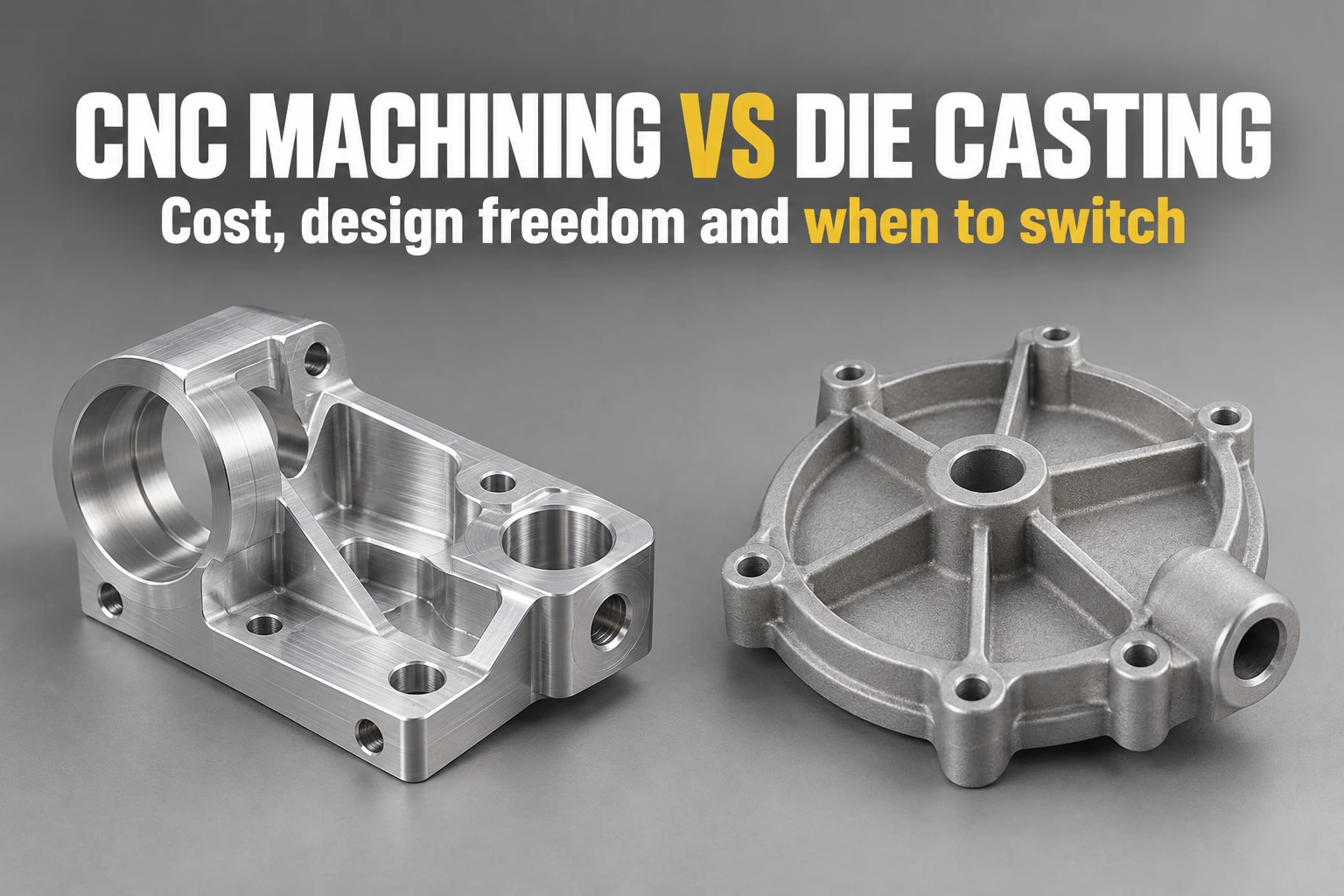
What to Include in a Custom Metal Parts RFQ
A practical guide to preparing a clear RFQ for custom metal parts, including what information to send, what happens when details are missing, and how to speed up evaluation when switching suppliers.
A practical guide to preparing a clear RFQ for custom metal parts, including what information to send, what happens when details are missing, and how to speed up evaluation when switching suppliers.
A reliable quote for a custom metal part usually requires more than a photo or a single dimension. Material, quantity, tolerances, surface finish, inspection requirements, and delivery timing can all affect the manufacturing route, cost, and whether the project is a good fit for a particular process. The clearer this information is at the RFQ stage, the easier it is for an engineering team to evaluate feasibility and identify questions that should be resolved before pricing.
This becomes especially important when a customer needs to replace an existing supplier quickly. A supplier change may be driven by delivery delays, quality problems, capacity constraints, or communication issues. You do not need to rebuild a perfect RFQ package before starting the conversation, but sharing the drawings, samples, known materials, previous issues, and required timing can help a new supplier understand the project faster and provide more useful technical feedback and pricing.
For most custom metal parts, the following information is enough to start a meaningful engineering review.
| Information | What to provide |
|---|---|
| Drawing or CAD model | STEP, PDF, DXF, or another suitable format based on part type and complexity |
| Material | Material grade, condition/temper, or clearly defined performance requirements |
| Quantity | Prototype quantity, batch size, and estimated annual demand when known |
| Critical dimensions and tolerances | Identify the dimensions that affect assembly, locating, sealing, or function |
| Surface finish | Anodizing, powder coating, plating, brushing, polishing, or other required finish |
| Inspection requirements | Critical-dimension reports, first article inspection, material certificates, or other quality documents |
| Target lead time | When prototypes or production parts are expected |
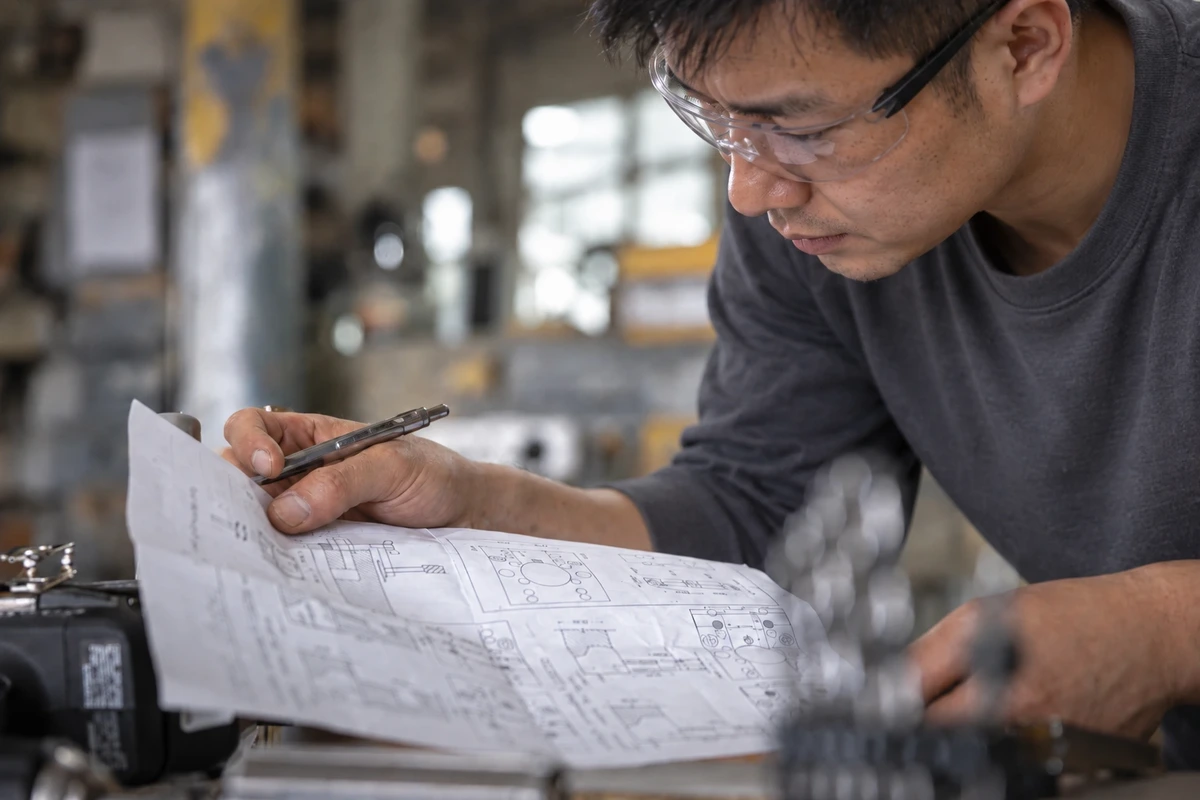
Not every part requires both a 3D model and a 2D drawing. For a simple laser-cut plate, gasket, bracket, or other general hardware component, a controlled 2D drawing or DXF may be enough for an initial quote. A more complex CNC-machined part, die-cast housing, or component with assembly interfaces will usually benefit from a 3D model plus a 2D drawing that defines critical tolerances, threads, finishing, and inspection requirements.
The goal is not to send as many files as possible. It is to give the engineering team enough information to understand how the part functions and how it will be accepted.
Incomplete information does not mean a project cannot move forward, but it usually increases the number of assumptions and follow-up questions. If a 3D model is provided without a material or quantity, for example, the engineer cannot determine which raw material basis or production volume should be used for costing. Likewise, if every dimension carries a tight tolerance but the functional dimensions are not identified, machining and inspection costs may be higher than necessary.
Different suppliers may also make different assumptions about missing information. Two quotes can look far apart even though they are not based on the same scope: one may include finishing and inspection, while another does not; one may price the job as a low-volume run, while another assumes future production. When a requirement is not yet decided, marking it as 'to be confirmed' is usually better than leaving the supplier to guess.
When an existing supplier is no longer meeting the project needs, it is usually more practical to share the information already available than to spend days rebuilding a complete RFQ package. The immediate goal is to help the new engineering team understand the current part, the production history, and the problem that needs to be solved.
If available, start with:
This information helps the new engineering team determine whether the existing manufacturing approach can be retained, what needs to be revalidated, and whether the material, process, or inspection plan should change. If the project already uses molds, fixtures, or dedicated gauges, disclose that early as well, because their condition and transferability can have a direct impact on the supplier-transition schedule and cost.
Yes. Some projects begin with a physical sample, product photo, sketch, or only a few critical dimensions. That can still be enough for an initial discussion. For brackets, connectors, mounting parts, handles, bushings, panels, simple housings, and other general hardware components, an engineering team can often use the available information to identify a likely manufacturing route and explain what additional data will be needed next.
An initial assessment is different from a production-ready quote, however. Before stable production begins, the material, critical dimensions, tolerances, finish, and acceptance requirements still need to be defined. The earlier those requirements are confirmed, the less likely the project is to change substantially between quoting, sampling, and production.
Before sending an RFQ, check whether the following points are reasonably clear:
If most of these points are clear, a manufacturer can usually move into engineering review and pricing with fewer delays. Any undecided items can still be marked clearly and resolved during the technical discussion.
If the drawing uses geometric dimensioning and tolerancing (GD&T), ASME Y14.5
| Need a New Manufacturing Supplier? Send Us What You Already Have Tongyong supports custom metal part manufacturing across CNC machining, sheet metal fabrication, aluminum extrusion and secondary machining, die casting, surface finishing, and a broad range of general hardware components. Whether you are sourcing a new project or replacing a supplier because of delivery, quality, or capacity issues, our engineering team can begin by reviewing the drawings, samples, photos, and technical information you already have. If the RFQ package is not complete yet, you can still share what is available and explain the current issue. We can help identify the likely manufacturing route, the missing technical information that matters most, and the risks that should be clarified before quoting and sampling. Contact us to discuss your project |
 Have a Custom Manufacturing Project?
Share your drawing, 3D model, material, tolerance, finish, and expected quantity. Tongyong Industries can review your requirements and suggest a practical manufacturing solution.
Faq
A lower or higher price does not always mean one supplier is simply cheaper or more expensive. Suppliers may be using different assumptions for material condition, general tolerances, inspection scope, finishing, packaging, fixtures, tooling, or engineering charges.
When comparing quotes, first confirm that they are based on the same drawing revision, material, quantity, quality requirements, and supply scope. If those conditions are different, comparing only the final unit price can be misleading.
If the change affects material, dimensions, tolerances, geometry, surface finish, quantity, or the manufacturing route, the supplier should normally review the quote again. Even for a local change, update the drawing revision and ask whether the change affects price, lead time, or the production plan.
The purpose is not to add unnecessary paperwork. It is to prevent an old quote from being carried forward after the design has changed and creating a commercial or manufacturing mismatch later.
If the project already uses a die-casting mold, stamping die, dedicated fixture, or inspection gauge, confirm who owns the tooling, where it is located, whether it can be transferred, and whether drawings, maintenance records, approved samples, or historical inspection data are available.
Even when tooling can be transferred, the new supplier will normally need to inspect its condition and confirm compatibility with its own equipment and process. Existing tooling can reduce transition time, but it should not automatically be assumed to be production-ready at a new facility.
Yes. If the project involves an unreleased product, proprietary geometry, or other sensitive design information, you can first share a basic project description, part type, quantity range, and general manufacturing requirements. Complete CAD files and detailed drawings can then be provided after the confidentiality arrangement is in place.
This allows the manufacturer to confirm that the project is within its capabilities without requiring sensitive engineering data to be distributed during the earliest stage of sourcing.
Get Started Today
Upload your drawings and specifications. Our engineers will review and respond with an engineering review within 24 hours. All inquiries are treated with strict confidentiality.
We use cookies to collect information about how you use this website. We use this information to optimize website functionality and improve our services. Privacy Policy